Greyhound's Twin-Diesel Scenicruiser and the Engine Swap That Followed
- Cargo
- Electric Vehicles
- Shipped
- Shipper
- Evan McCausland
- Readers
- 819
GM's 1954 PD-4501 Scenicruiser ran two diesels, struggled with its powertrain, and ended up with a single 8V-71 in every surviving coach.
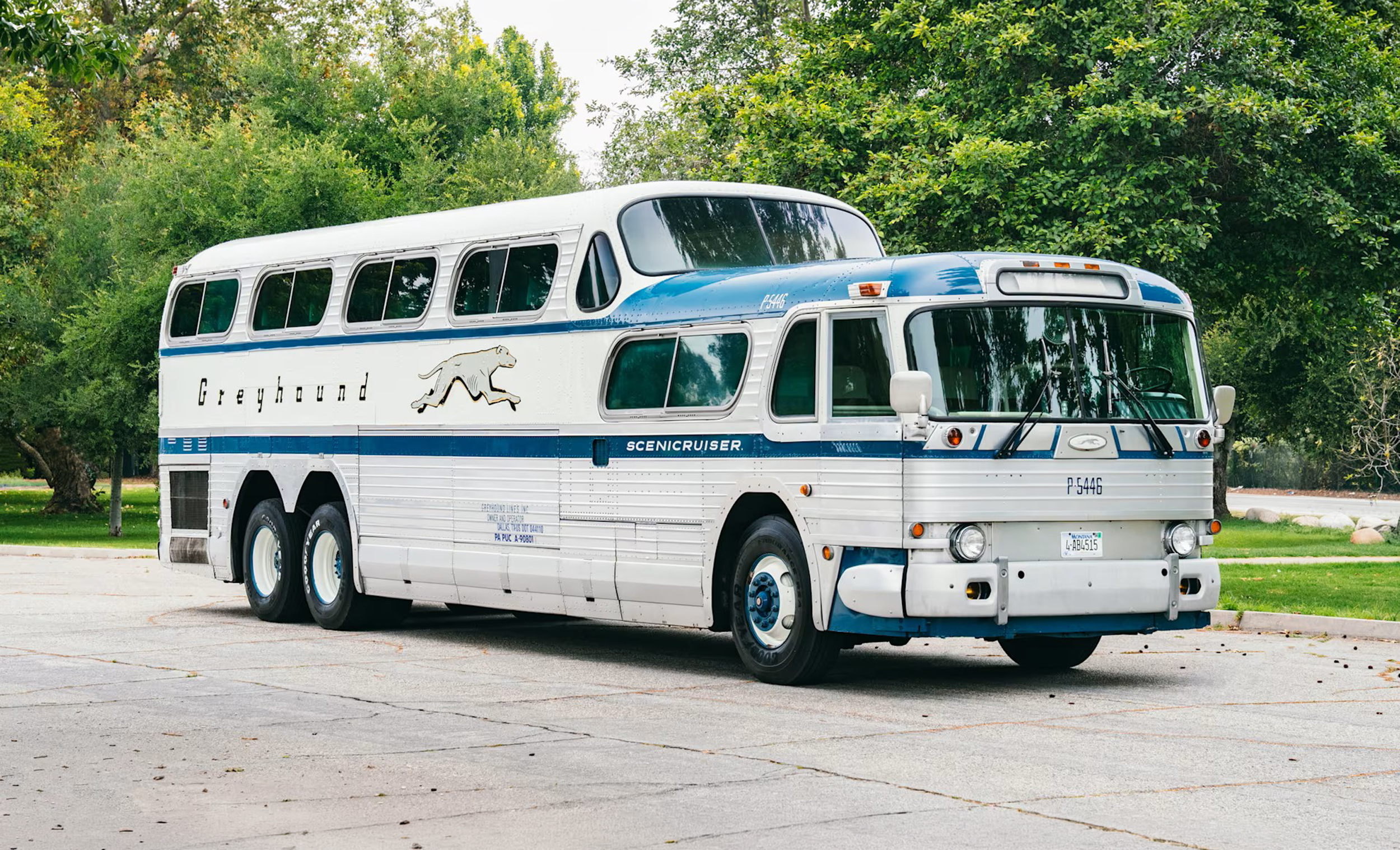
The Scenicruiser's split-level roof and big windows got most of the attention when GM's motor coach arrived in late 1953. The less visible part is arguably more interesting: the PD-4501 ran two diesel engines, and that choice shaped its reputation, its production history, and GM's standing in the intercity bus market for the next decade.
A twin-engine idea with roots in the 1920s
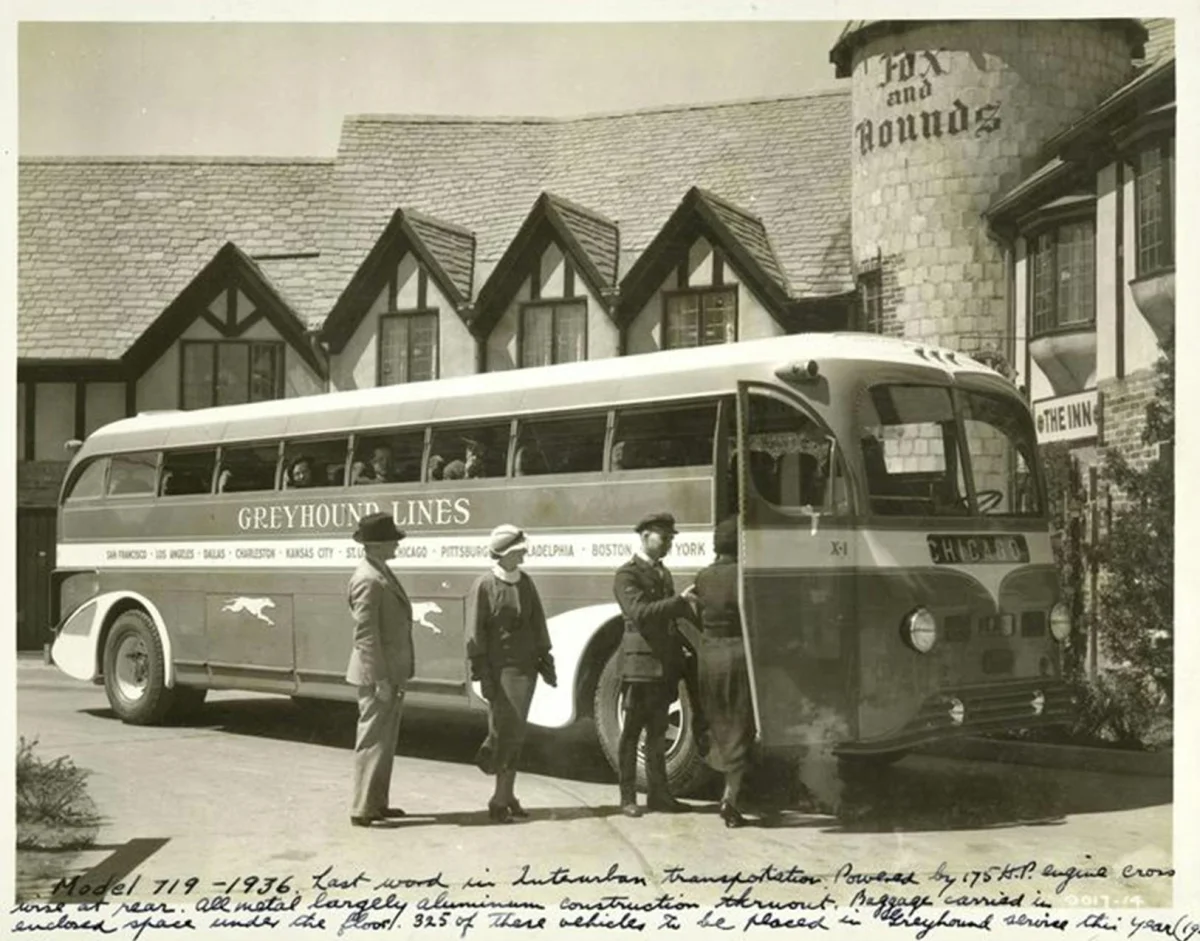
Greyhound wasn't new to dual powerplants, and it wasn't new to bespoke designs from GM either. The carrier signed a deal with Yellow Truck & Coach in 1929, four years after GM bought a major stake in John Hertz's manufacturing group to get into buses. The resulting Yellow 719 and 743 coaches, along with the later "Silversides," gave Greyhound a fleet with features that were hard to find on other GM coaches. Raymond Loewy had a hand in styling the Silversides and several of its predecessors.
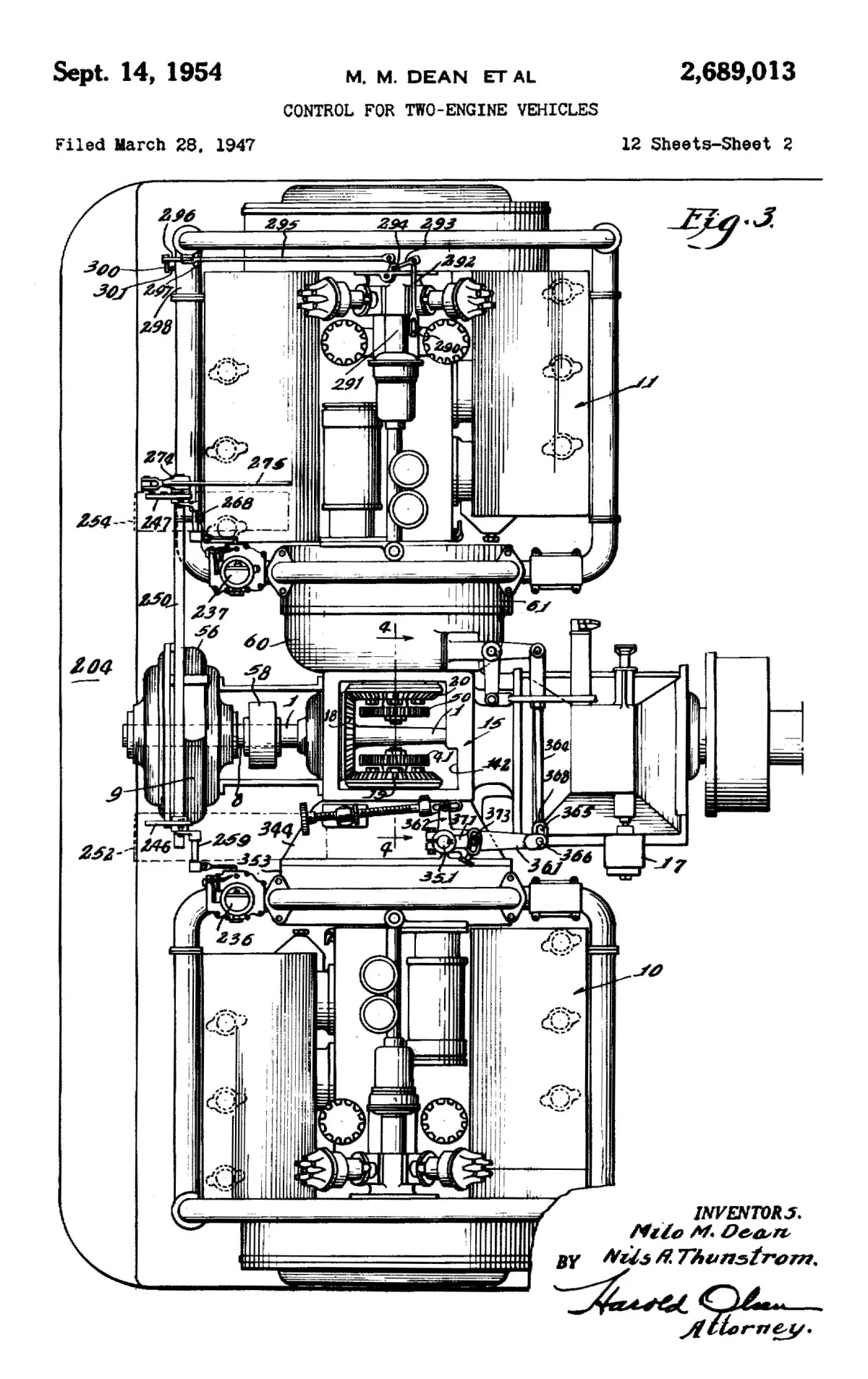
At the end of World War II, Greyhound's leadership under president Orville Caesar wanted a new bus that could carry 50 passengers in air-sprung, air-conditioned comfort. The engineers leaned toward two smaller engines working together rather than one large one. Their patent for the dual-drive system pitched a practical benefit: shut off one engine on flat interstate stretches and save fuel.
GX-1 tests the theory, and GX-2 drops it
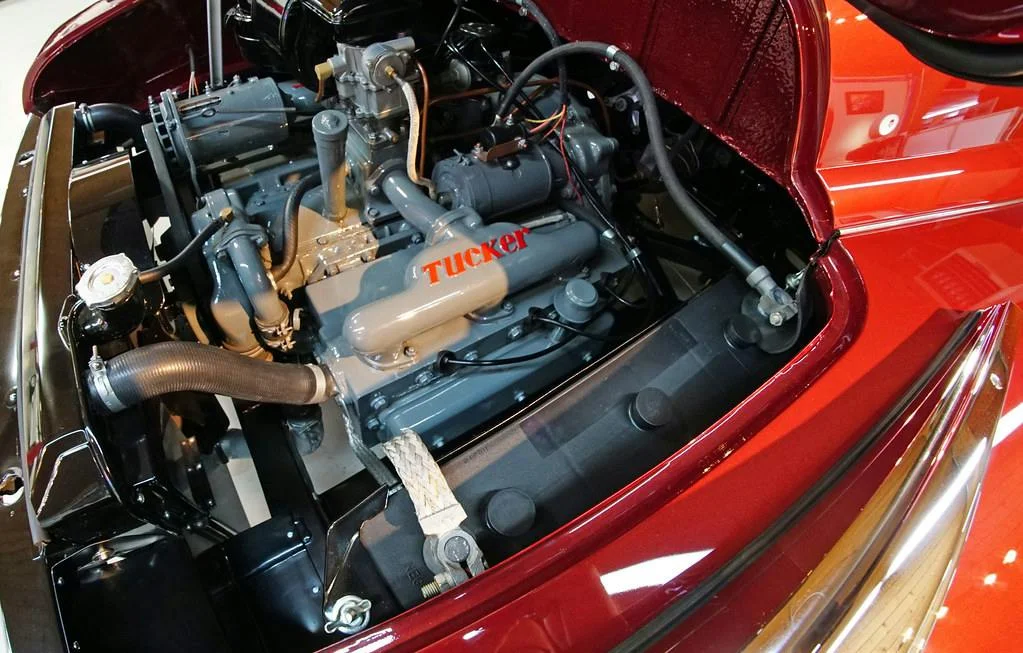
The 1948 GX-1 "Highway Traveler" was built in-house to put that theory on the road. It was a 35-foot double-decker powered by a pair of air-cooled Franklin O-335 six-cylinder engines, the same basic engine later adapted for the production 1948 Tucker. Two Franklin flat-sixes in one bus was a lot of hardware, and it wasn't the last word on the concept.
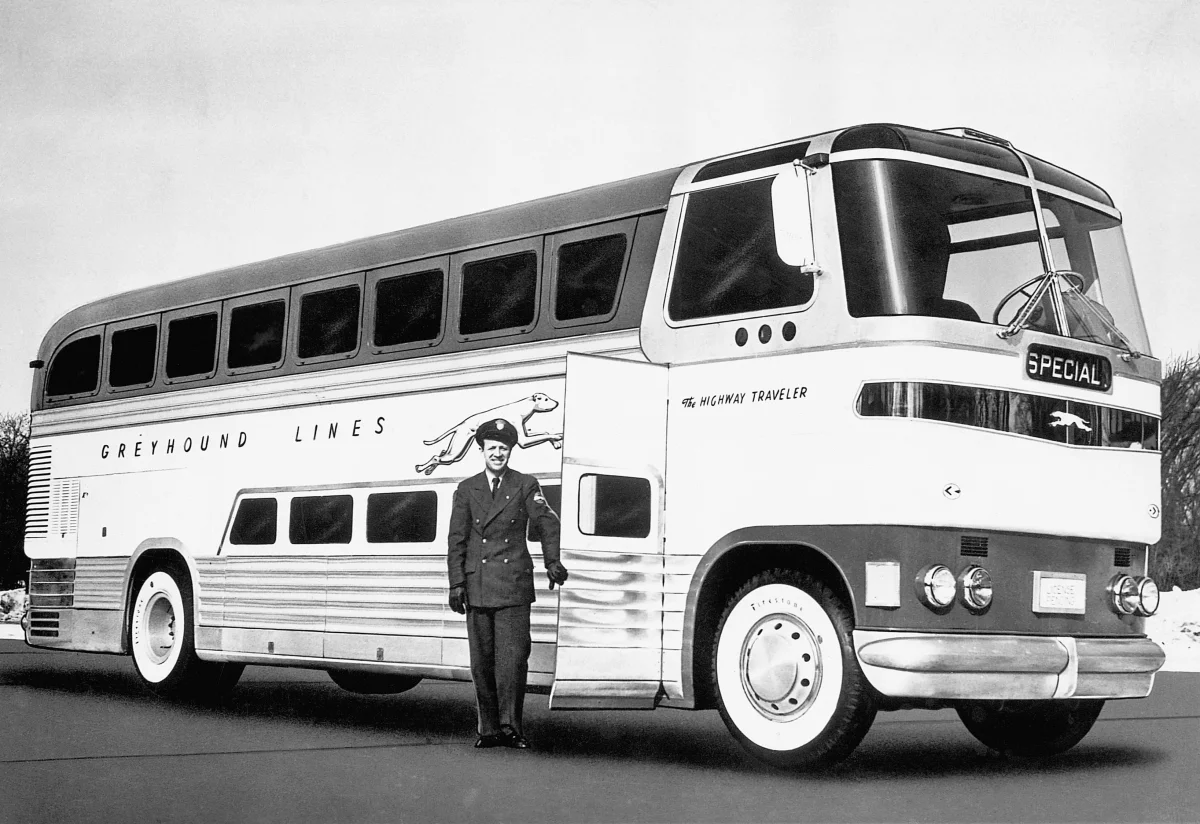
The next step was a longer bus. Greyhound concluded it needed at least 40 feet to haul more than 35 passengers and their bags, which was a problem because most rules at the time capped intercity buses at 35 feet. The 40-foot GX-2 "Scenicruiser" of 1949 was developed with heavy input from GM's styling and engineering staff, and GM shipped an existing bus to Greyhound's engineers as a starting point.
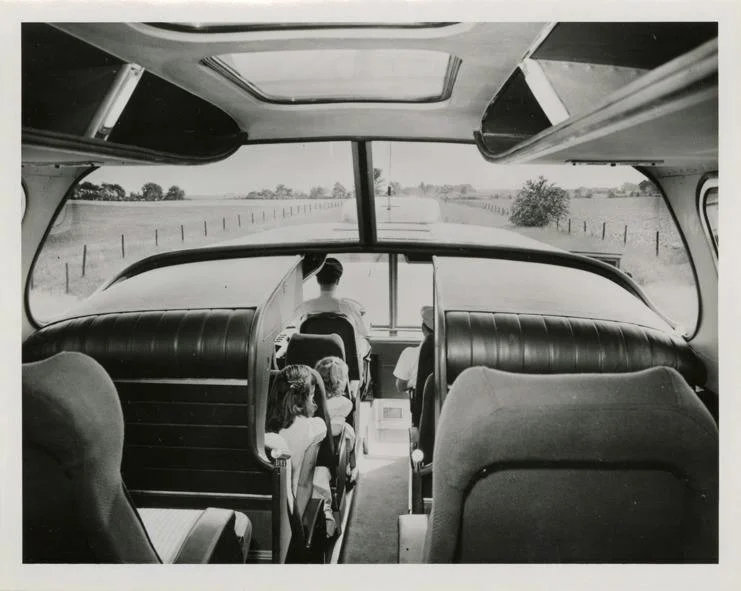
The GX-2 dropped the double-decker in favor of a "deck-and-a-half" layout, with seated passengers up front getting a forward-facing vista dome. It was likely influenced by GM's Train of Tomorrow, which had shown off similar domes a few years earlier. The bigger change was the powertrain: a single 6.9-liter, two-stroke Detroit Diesel 6-71 inline-six with a four-speed manual. The engine had a solid record in other industries, but for a bus of this length and weight, it was badly underpowered.

The PD-4501 and the engine problem
Between 1952 and 1953, GM and Greyhound refined the concept into the production PD-4501. It shared air suspension and many exterior styling cues with the 35-foot PD-4104, which had been developed alongside it. The two couldn't share engines, though. The 6-71 that suited the 4104 in a 210-horsepower version was not enough for the bigger coach. GM's Series 71 range stopped at the 6-71, and the next option up, the 10.8-liter 6-110, would have made over 300 hp but also weighed too much and packaged poorly.
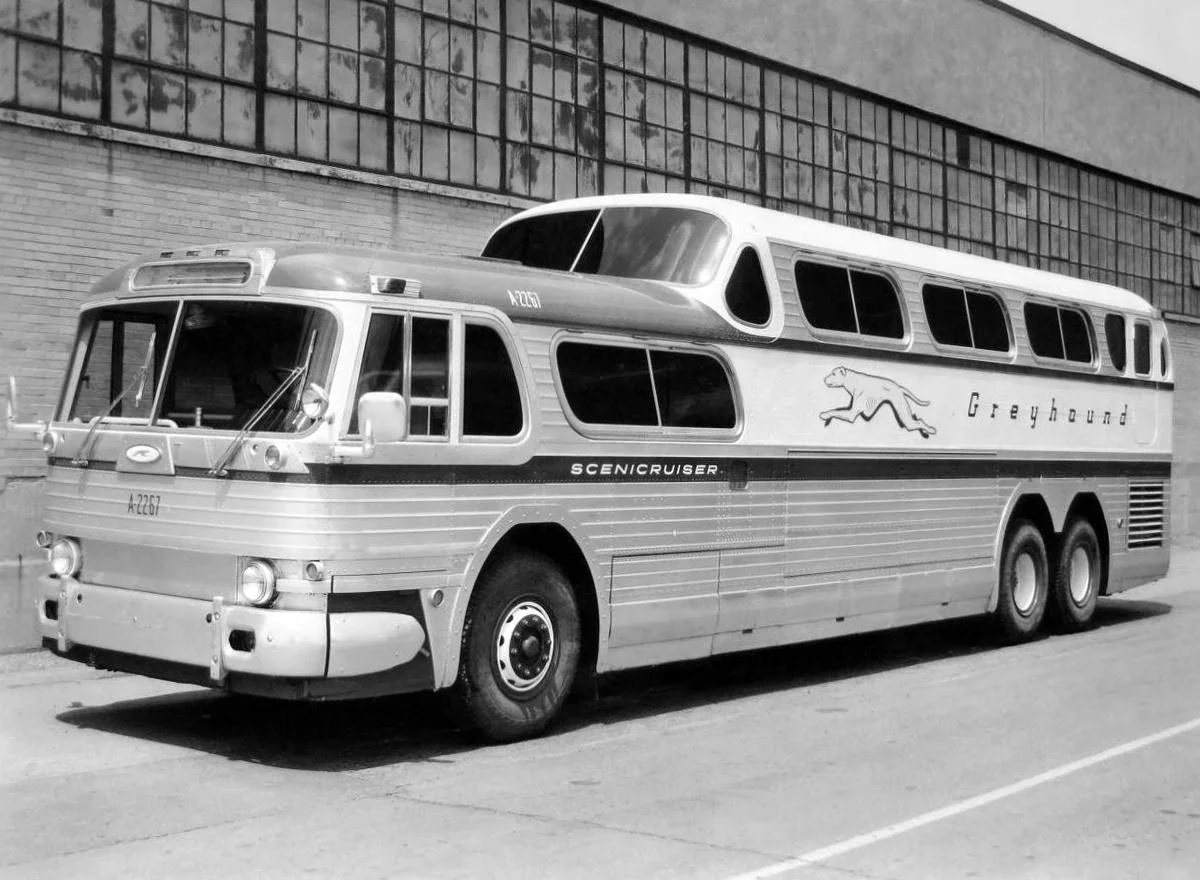
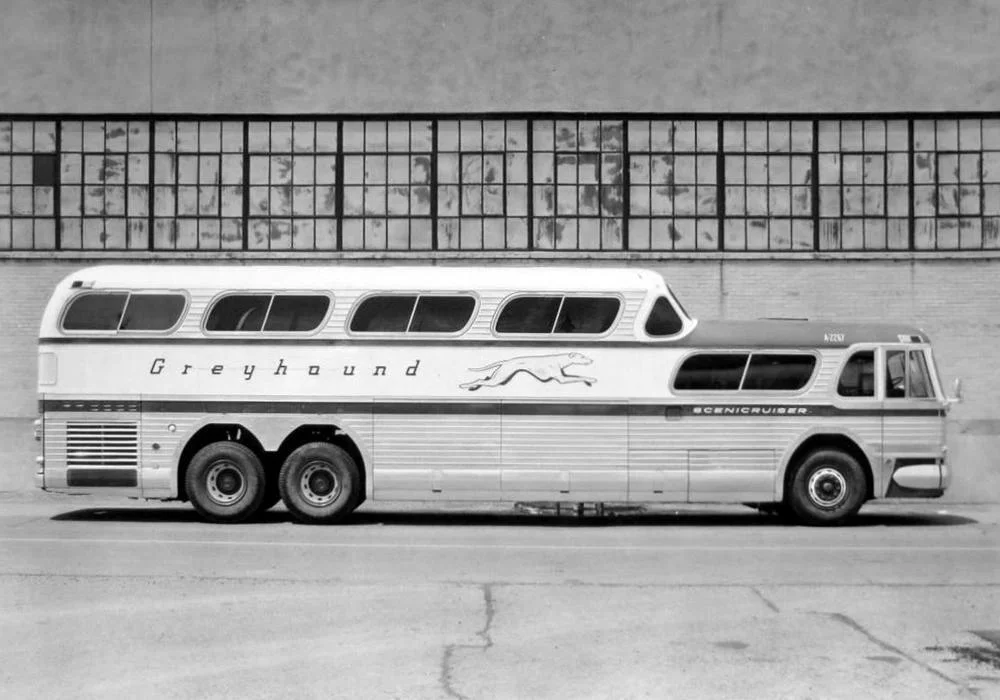

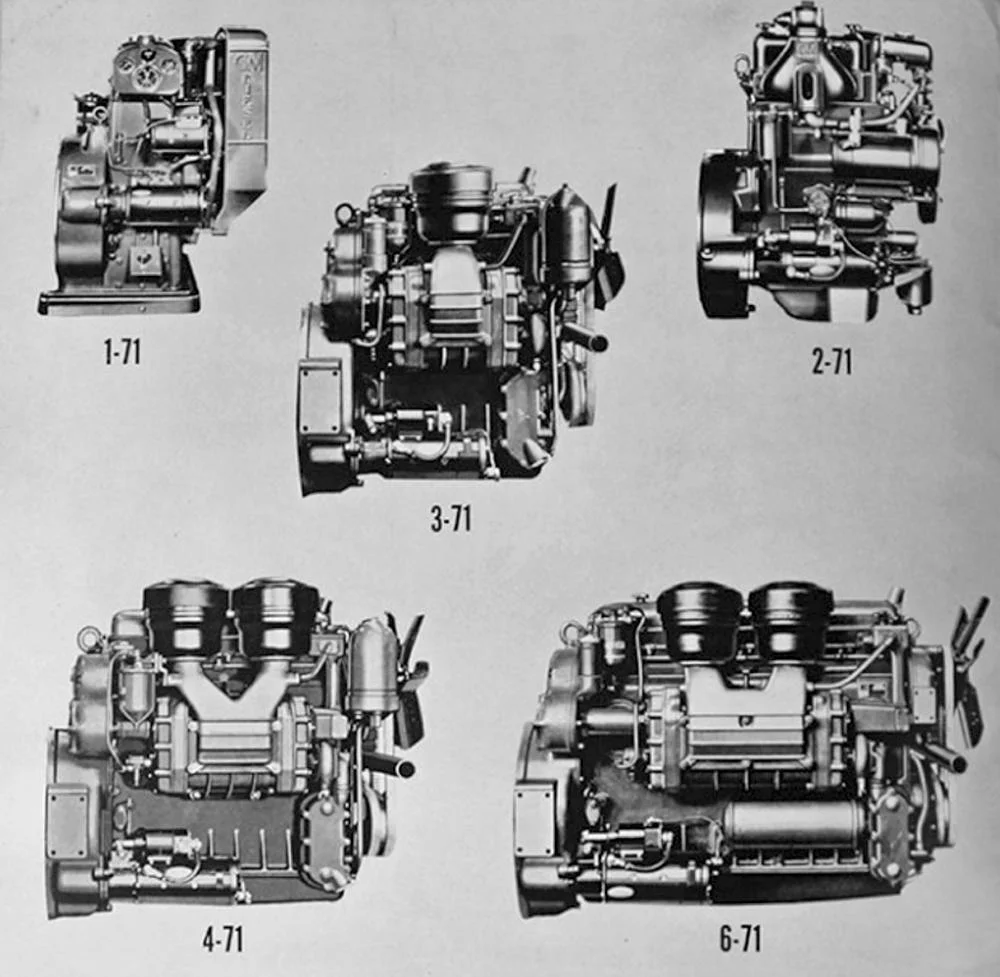
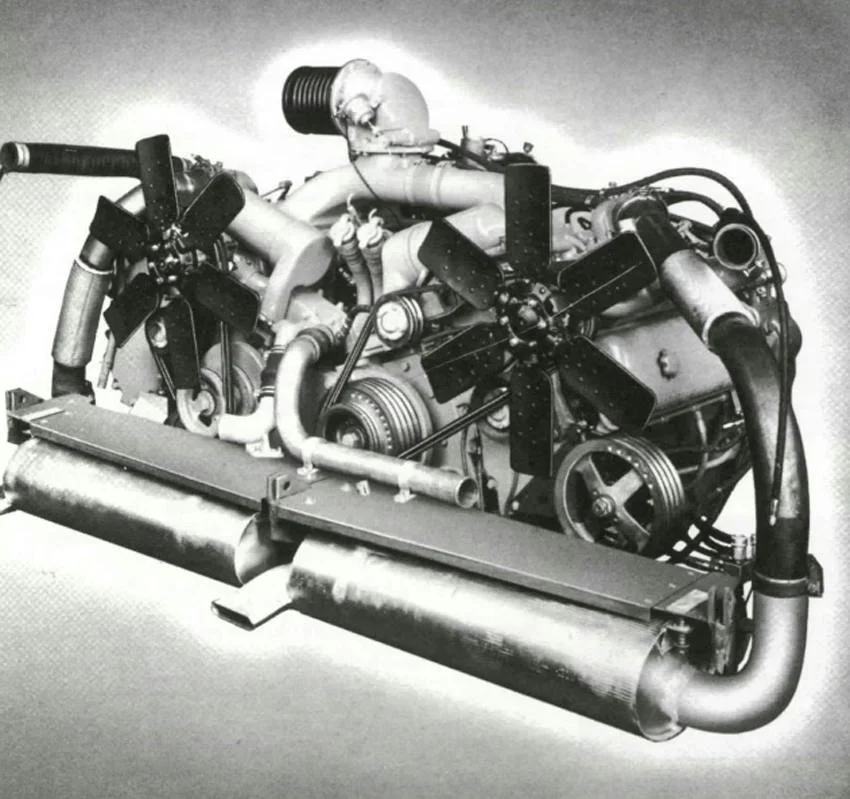
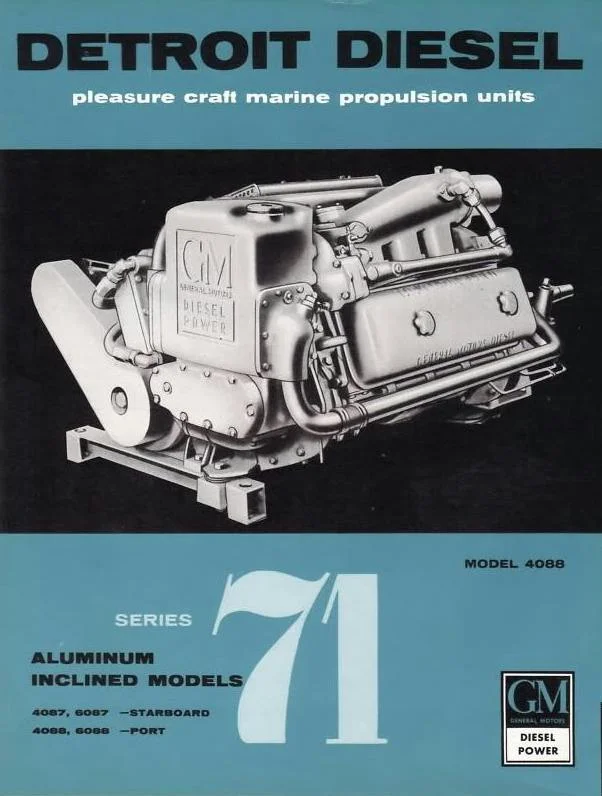
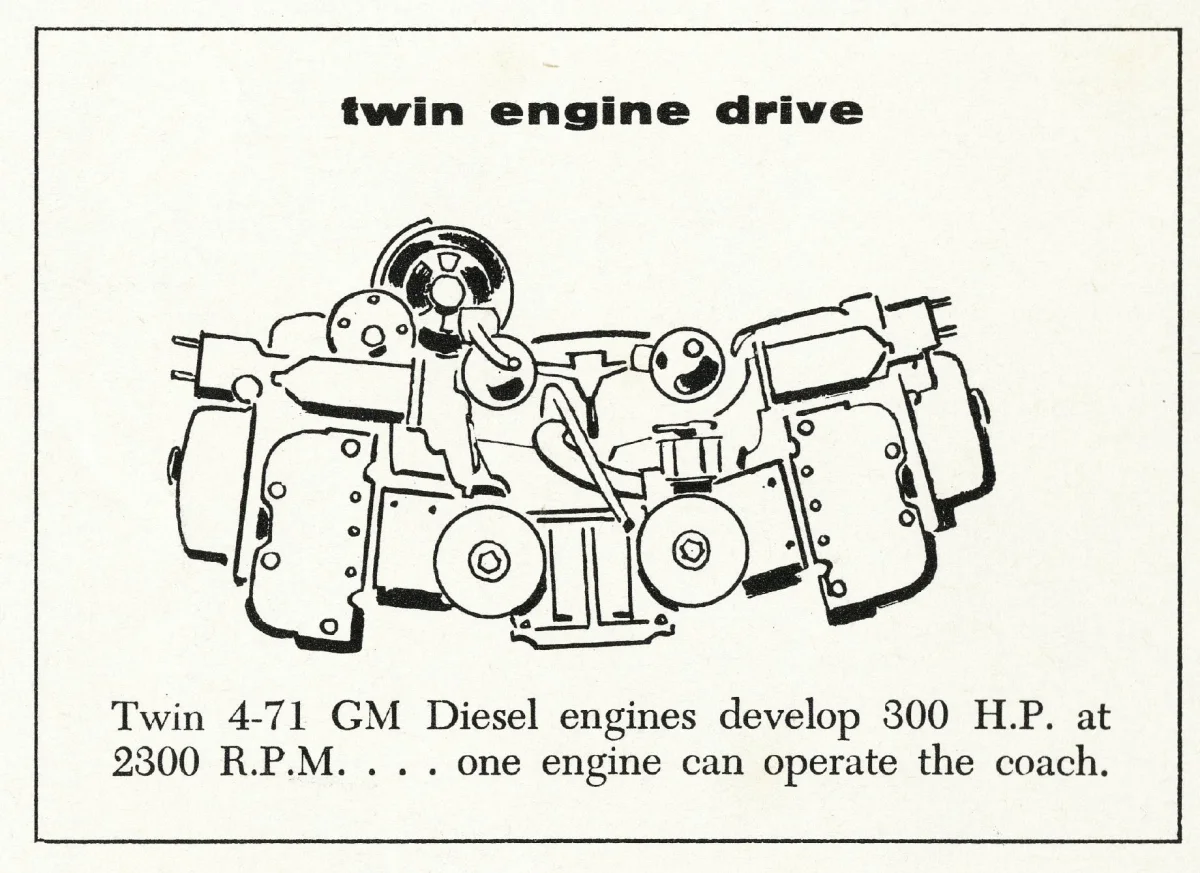
GM's answer was to go back to the twin-engine idea. Engineers took a pair of marine-block 4-71 diesels, canted the blocks 70 degrees so they fit under a boat deck, and mounted them in a V-shape on a removable subframe. Their crankshaft outputs fed a fluid coupling, which connected to a three-speed manual and an electrically controlled two-speed auxiliary splitter. It was a complicated stack, and it was the root of most of what came later.
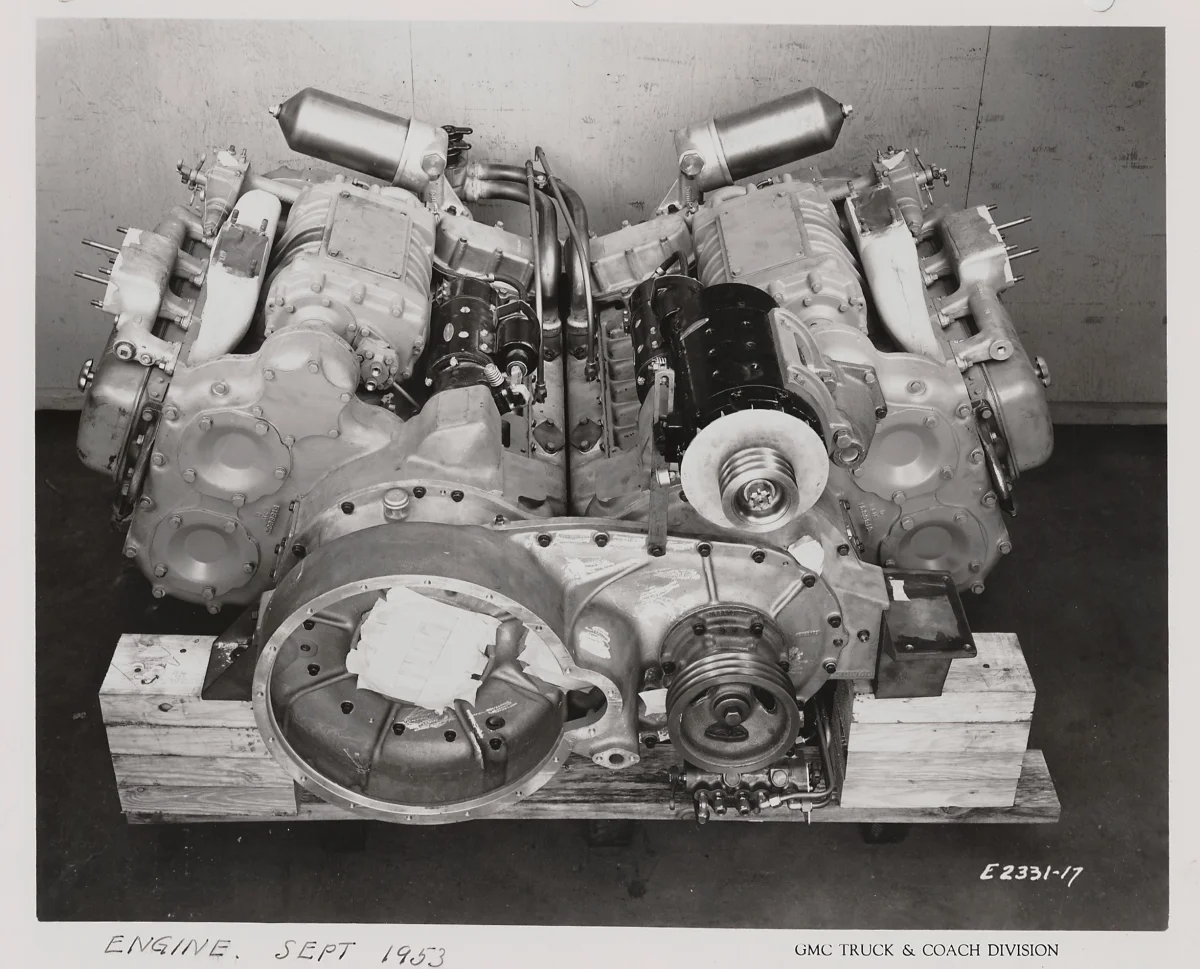
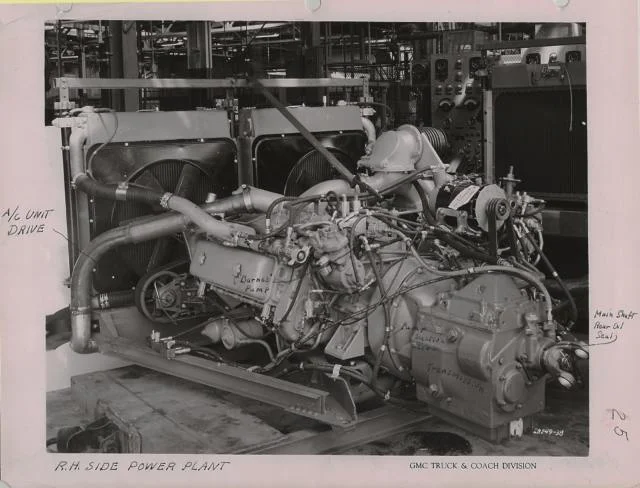
Whether a Scenicruiser could run on one engine, as the GX-1 concept intended, is still debated. Most accounts say the 4501 could limp along on a single engine, but only as an emergency to reach a station or service center. In normal operation, both engines ran, which meant the fuel-saving logic that started the whole design was gone.
Trouble on the road
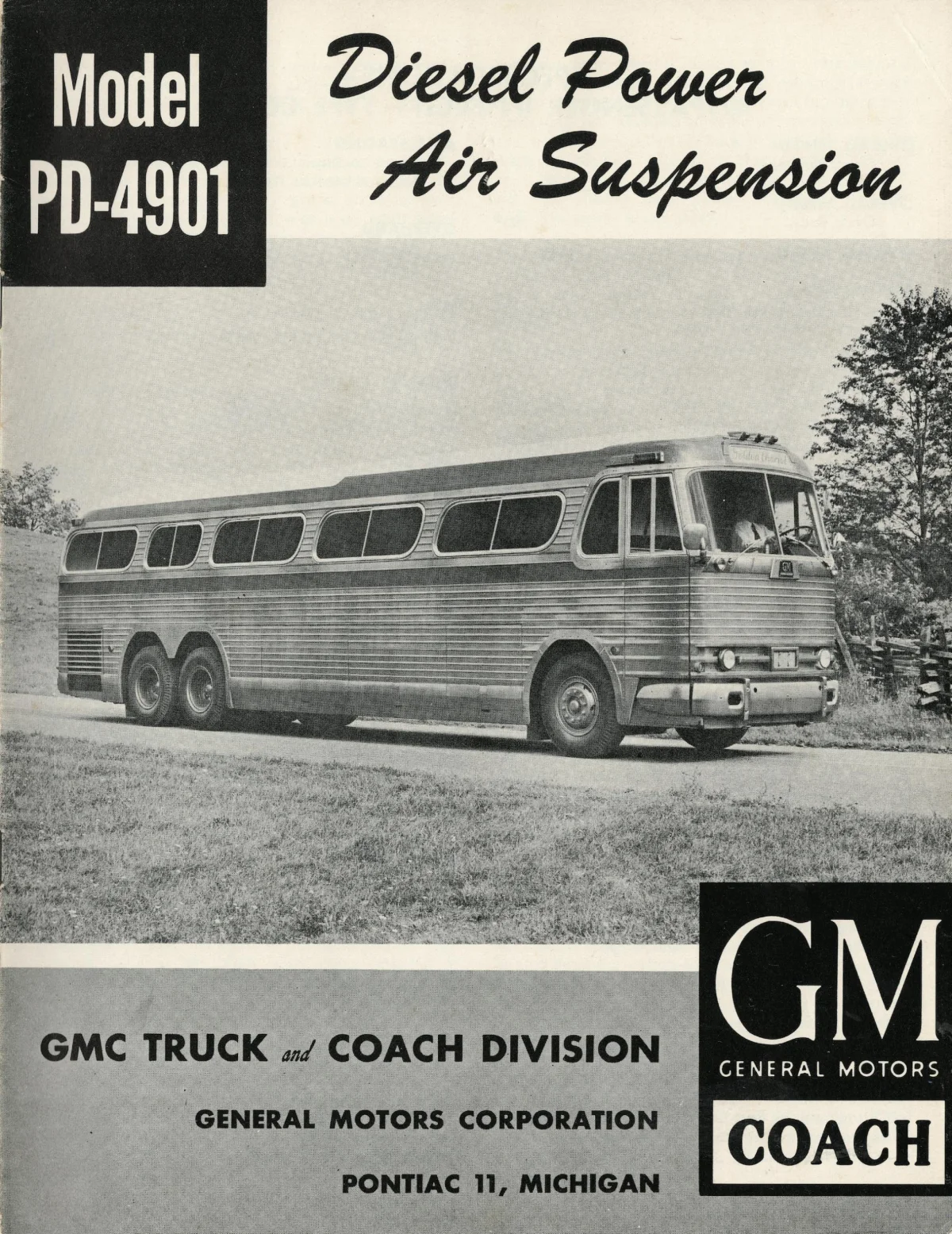
GM had good reason to trust the Series 71 and fluid couplings, which it used across its other divisions. That didn't save the Scenicruiser's powertrain. A Motor Coach Age retrospective reports that Greyhound kept pressing GM about mechanical problems, mostly tied to the fluid coupling and the twin-engine layout, while GM was only partway through the 1001-unit production run. The proposed PD-4901, essentially a single-deck version for non-Greyhound buyers, probably suffered from the same reputation. Only one example was built, and it survives today.
Greyhound's patience was likely running thin. A management change brought in a leadership team that seemed less willing to tolerate mechanical experiments than Caesar's group had been. The two companies argued in public and even in court for a time, but they eventually settled into an uneasy truce. Greyhound placed a large order for PD-4104s between 1957 and 1958 and kept buying small numbers of 35-foot GM coaches in the years after.
The Scenicruiser fallout also pushed Greyhound to invest further in Motor Coach Industries, a Winnipeg-based bus builder. MCI effectively became Greyhound's in-house supplier, and Greyhound's orders gradually moved toward MCI products as that company scaled up and tuned its designs to Greyhound's requirements. An ongoing antitrust suit, focused largely on GM's exclusive arrangement with Greyhound, added pressure throughout.
The 8V-71 swap
By late 1956 and early 1957, Greyhound was looking for a simpler setup. It tested several options, including some Mack powerplants. A popular story says a PD-4501 was sent to Germany for Mercedes-Benz engineers to work on, though there's little public record to back that up.
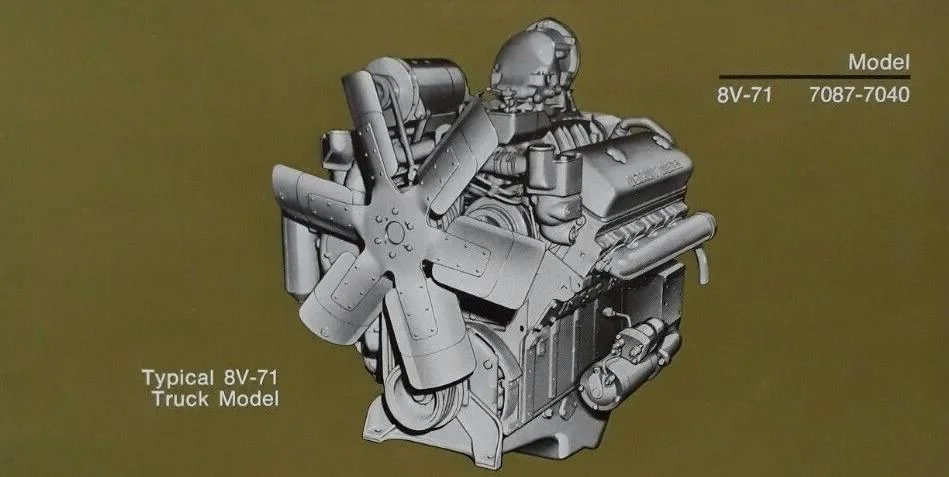
The timing worked out. In 1957, Detroit Diesel finally extended the Series 71 family with V-block engines, including the eight-cylinder, 9.3-liter 8V-71. Most 8V-71 applications fit inside the Scenicruiser's engine bay and roughly matched what the pair of 4-71s could deliver on a good day. The swap also replaced the three-speed and splitter with a standard four-speed manual. Some Scenicruiser histories claim GM wasn't interested in helping, but records show GM field service engineers helped validate the 8V-71 package. Starting in 1961, Greyhound contracted the conversion work to Marmon-Herrington in Indiana, and its own shops handled the rest of the coach structure.
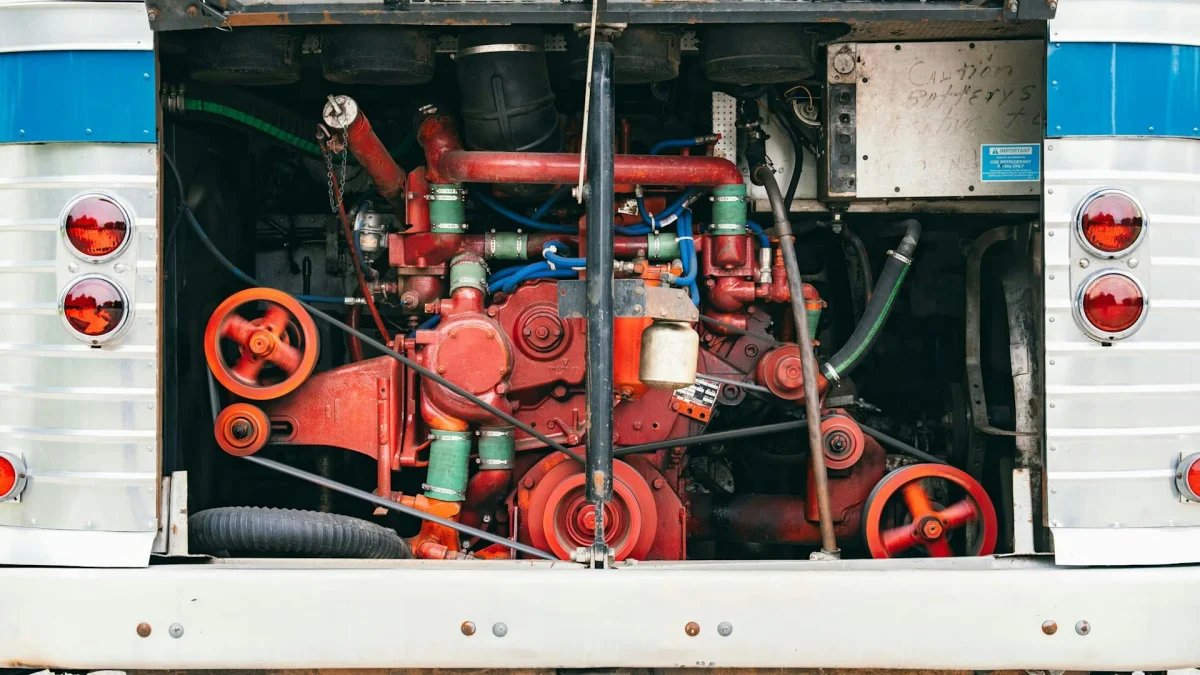
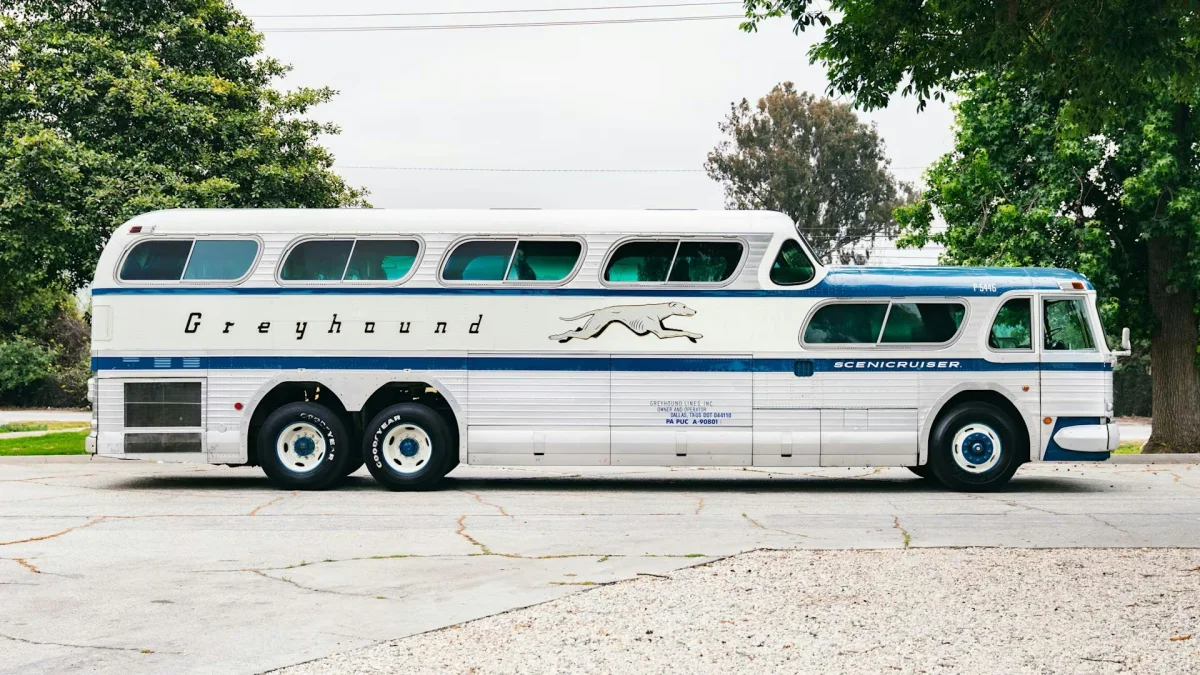
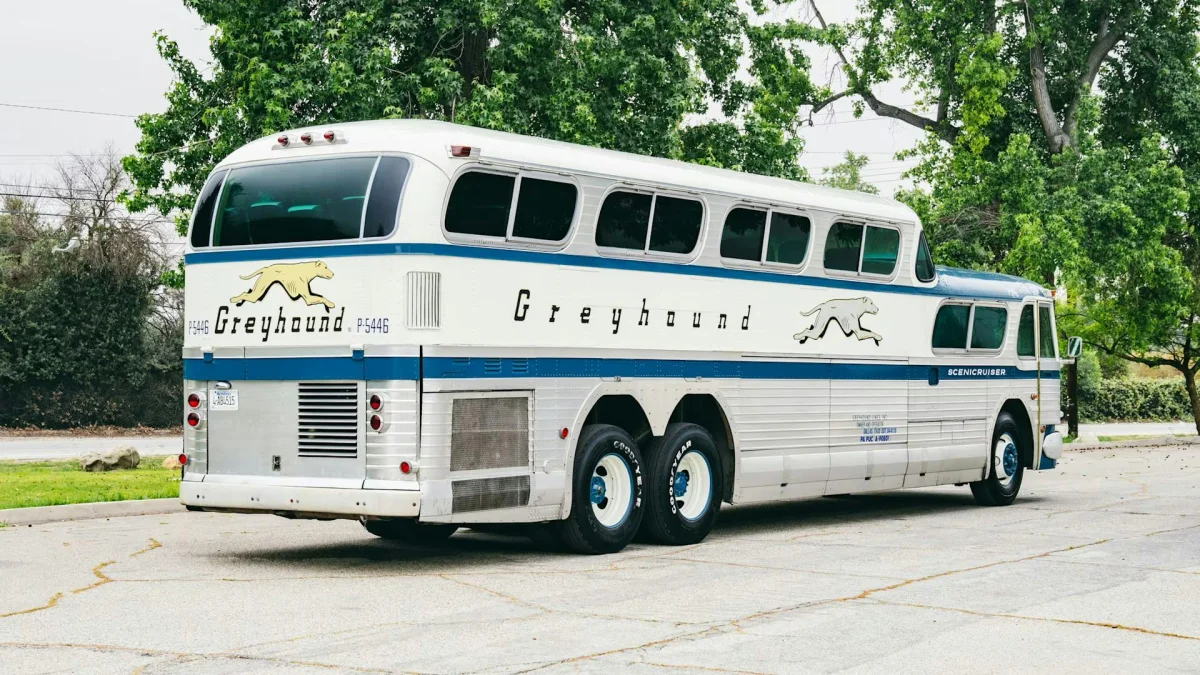
Every Scenicruiser, including the first production unit, lost its original powertrain for an 8V-71. The first unit, arguably the most original example left, is set to be offered at Mecum's Las Vegas auction. Its restoration by Greyhound in the late 1970s used many new-old-stock parts that were still available then.
The 40-foot coach that never reached production
Some internal GM documents suggest the 8V-71 wasn't the first fix either side considered. After the engine debuted, GM began designing buses around it, including a 40-foot PD-4902 prototype. Some accounts say it never got past the drawing board, but photos show it reached the engineering garage. An internal GM memo from March 1968 says the PD-4902 was engineered and tooled far enough that a production-intent sample was shown to Greyhound and to its largest rival, Continental Trailways, in late 1958.
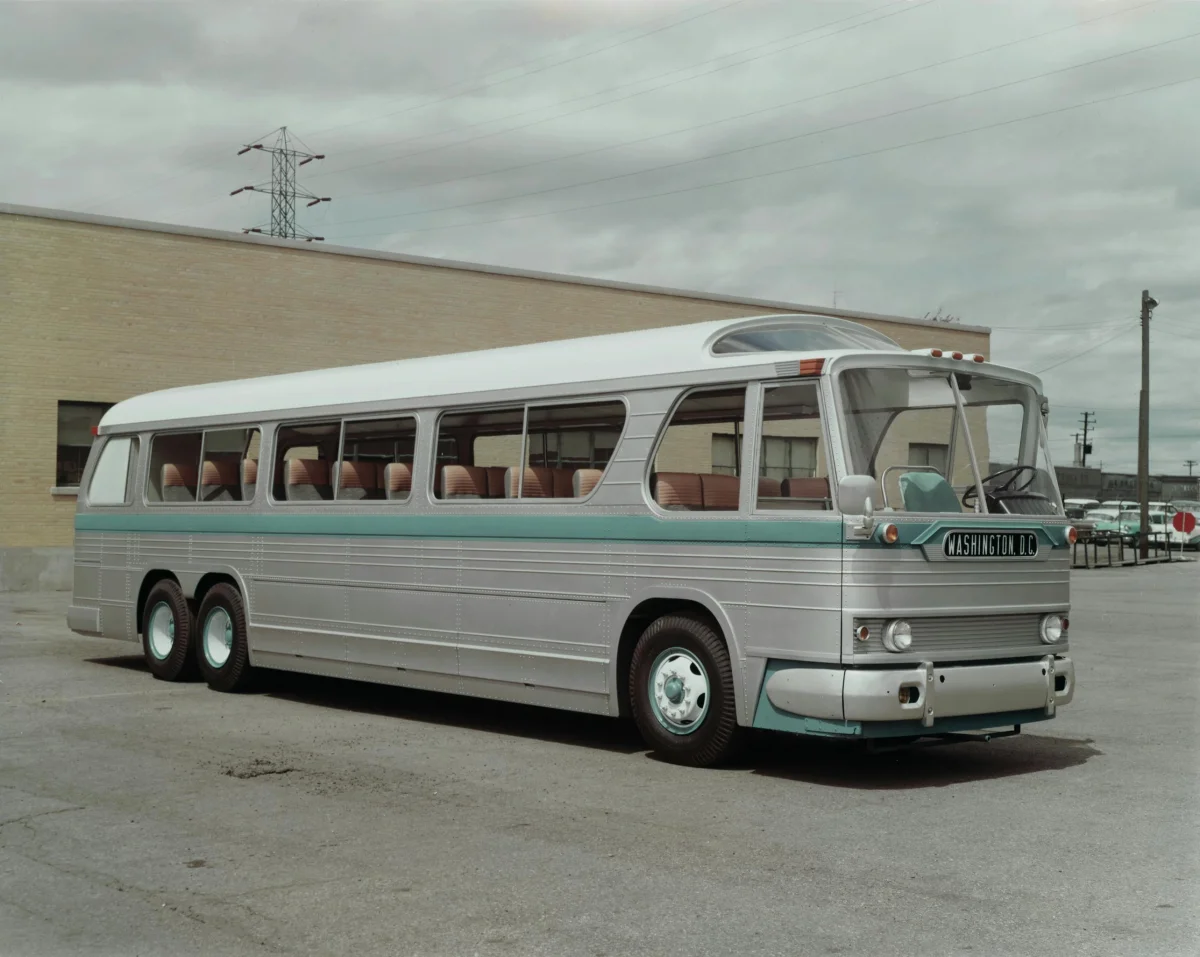
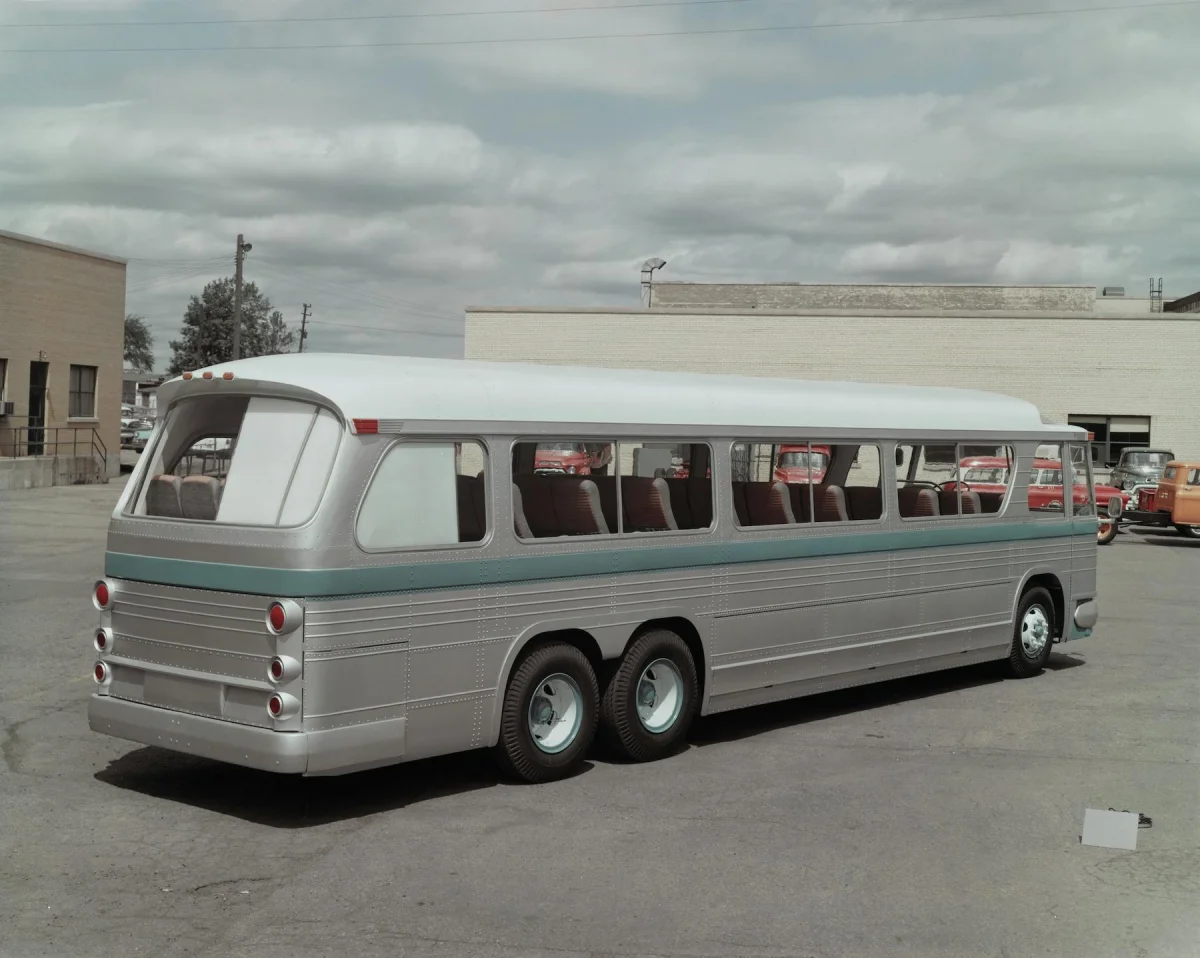
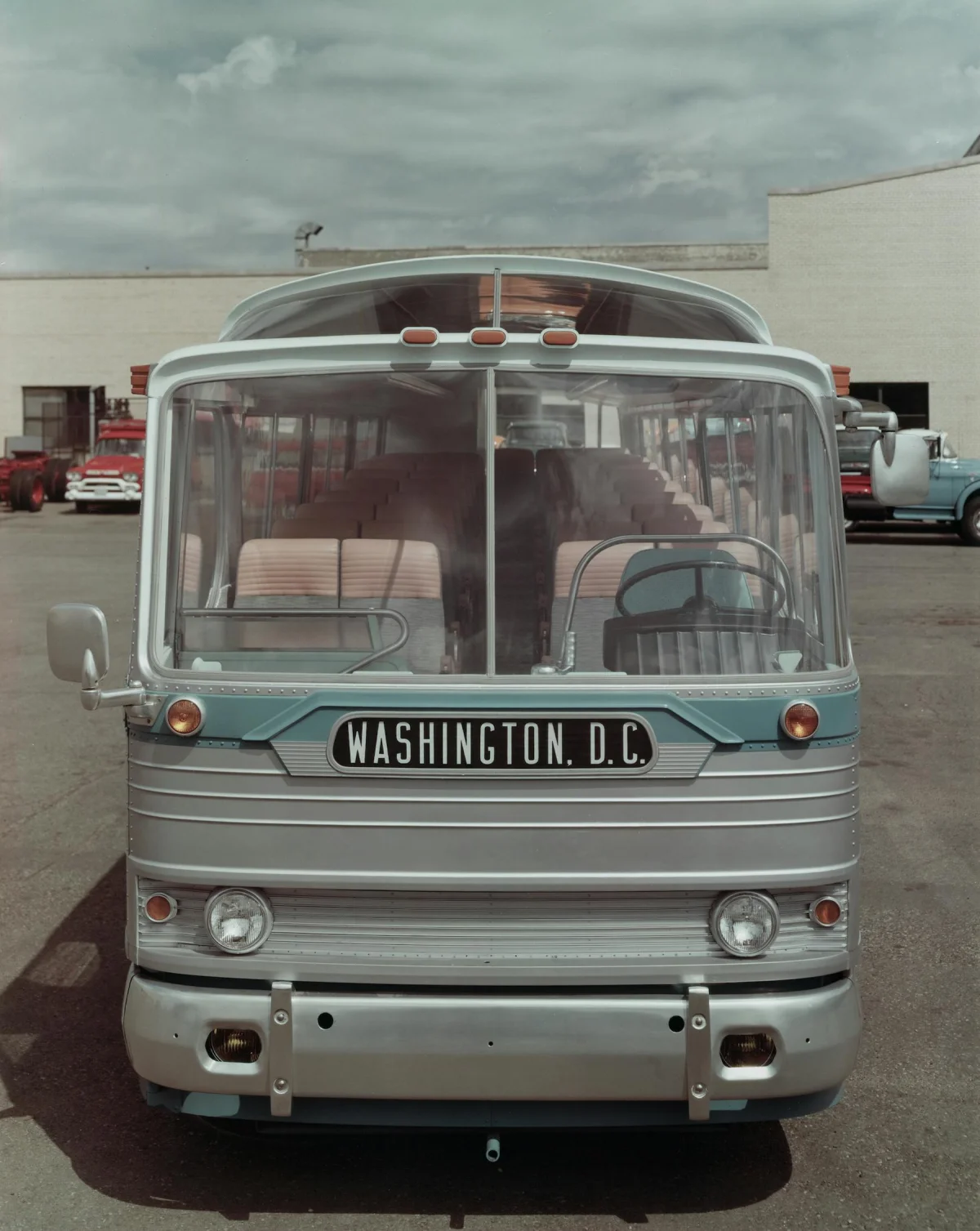
Trailways was an eager prospect. It had been caught flat-footed by the Scenicruiser and couldn't find a domestic rival, so it developed its own 40-foot Golden Eagle with German builder Kässbohrer. Reliability proved a problem, and sourcing European components across America was hard going. The memo claims Trailways was convinced enough by the PD-4902 to commit to 200 units. Greyhound's management then told GM it no longer saw a need for 40-foot coaches. GM canceled the project in mid-1959, and Trailways, unhappy with the outcome, put more money into its own Eagle production to move away from GM products.
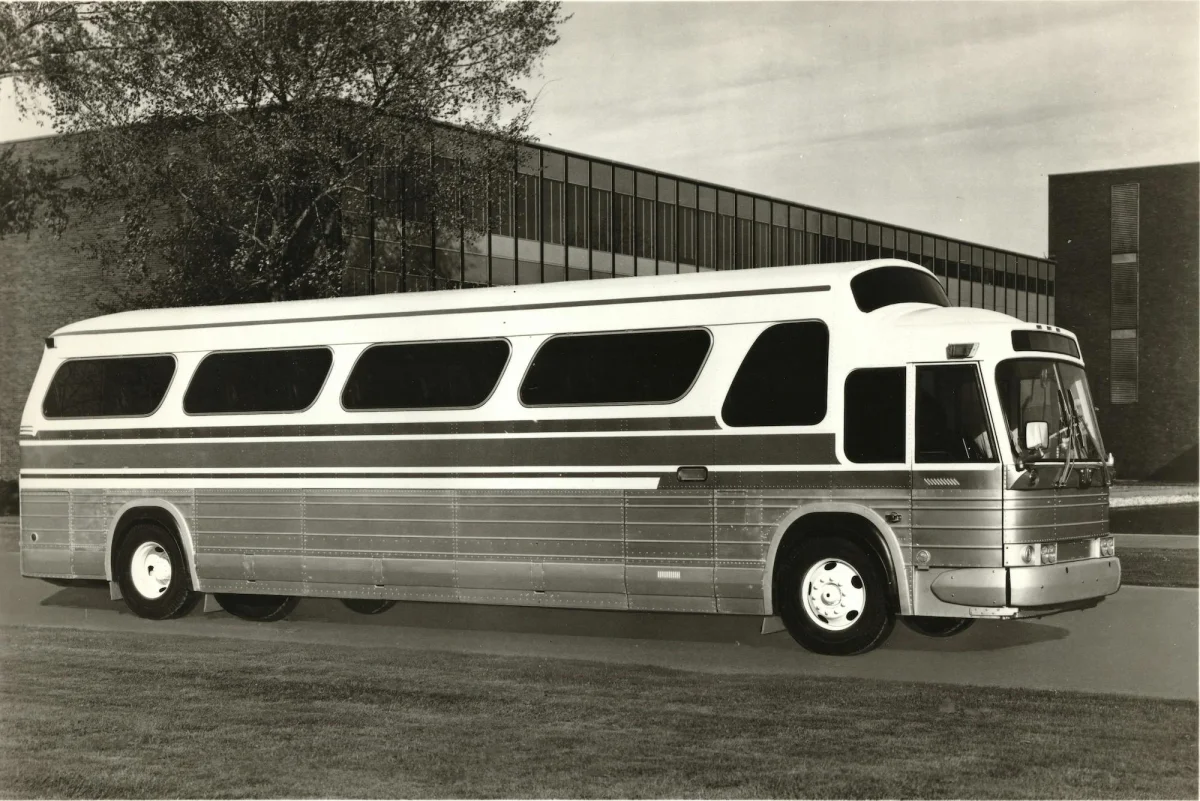
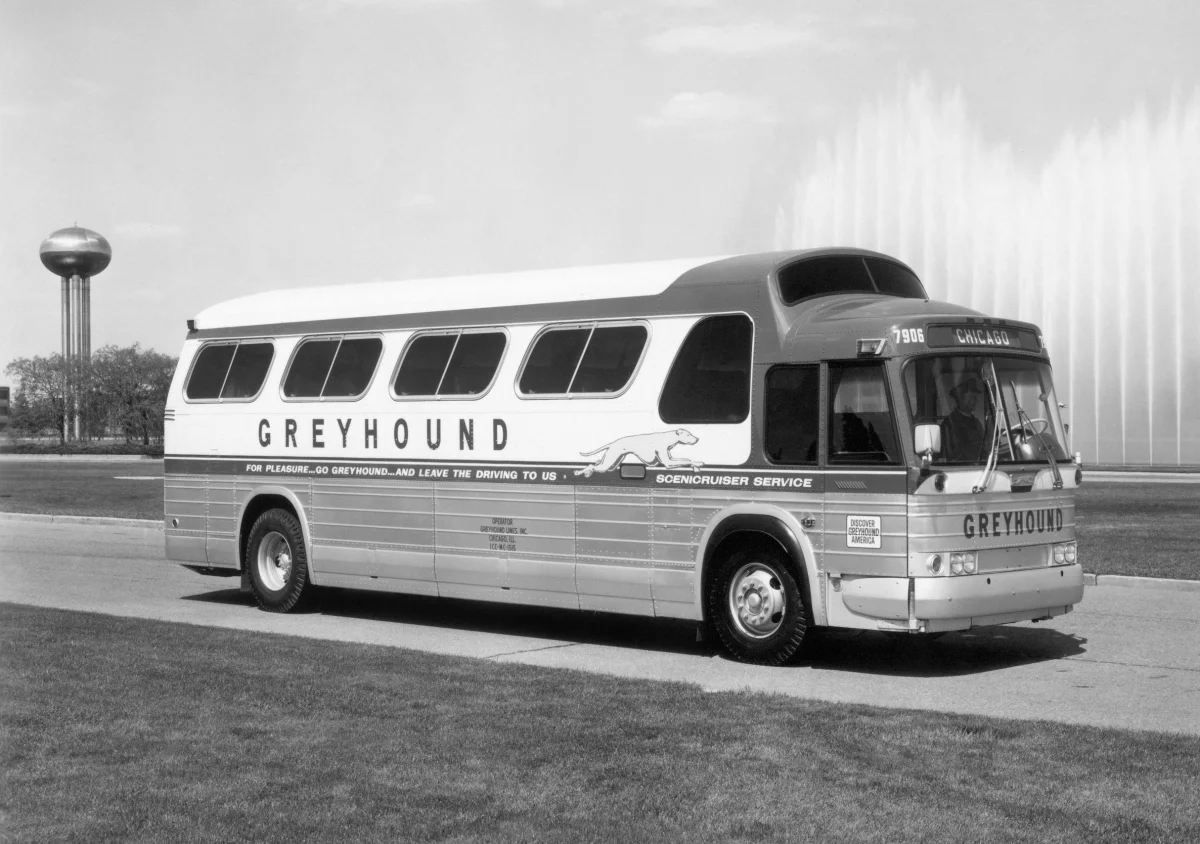
The memo adds that Greyhound reversed course the following year. Once it was clear Trailways was committed to the Eagle, Greyhound concluded its decision against more 40-foot coaches couldn't hold. With GM out of the 40-foot program, the memo says the only immediate option was a full repowering and rehabilitation of the Scenicruisers.
GM returned with a 40-foot intercity coach about a decade later, but the damage was done. Greyhound and Trailways were both building more of their own equipment, and GM sold no more than 230 intercity coaches a year between 1975 and 1979. The company left the segment altogether in 1980. My read is that the Scenicruiser's double-diesel gamble cost GM more than the bus itself: it cost the company its place with the two biggest buyers in the business. For anyone looking at Scenicruisers today, the practical takeaway is simple. Check which engine is under the floor, because the original twin-4-71 setup is effectively gone from the surviving fleet.