Brooks Stevens' Shelved 1965 Studebaker Hawk Heads Toward Production
- Cargo
- Electric Vehicles
- Shipped
- Shipper
- Ronnie Schreiber
- Readers
- 316
Brooks Stevens' 1965 GT Hawk design, shelved when Studebaker stopped U.S. production, is being built as a limited run on donor cars.
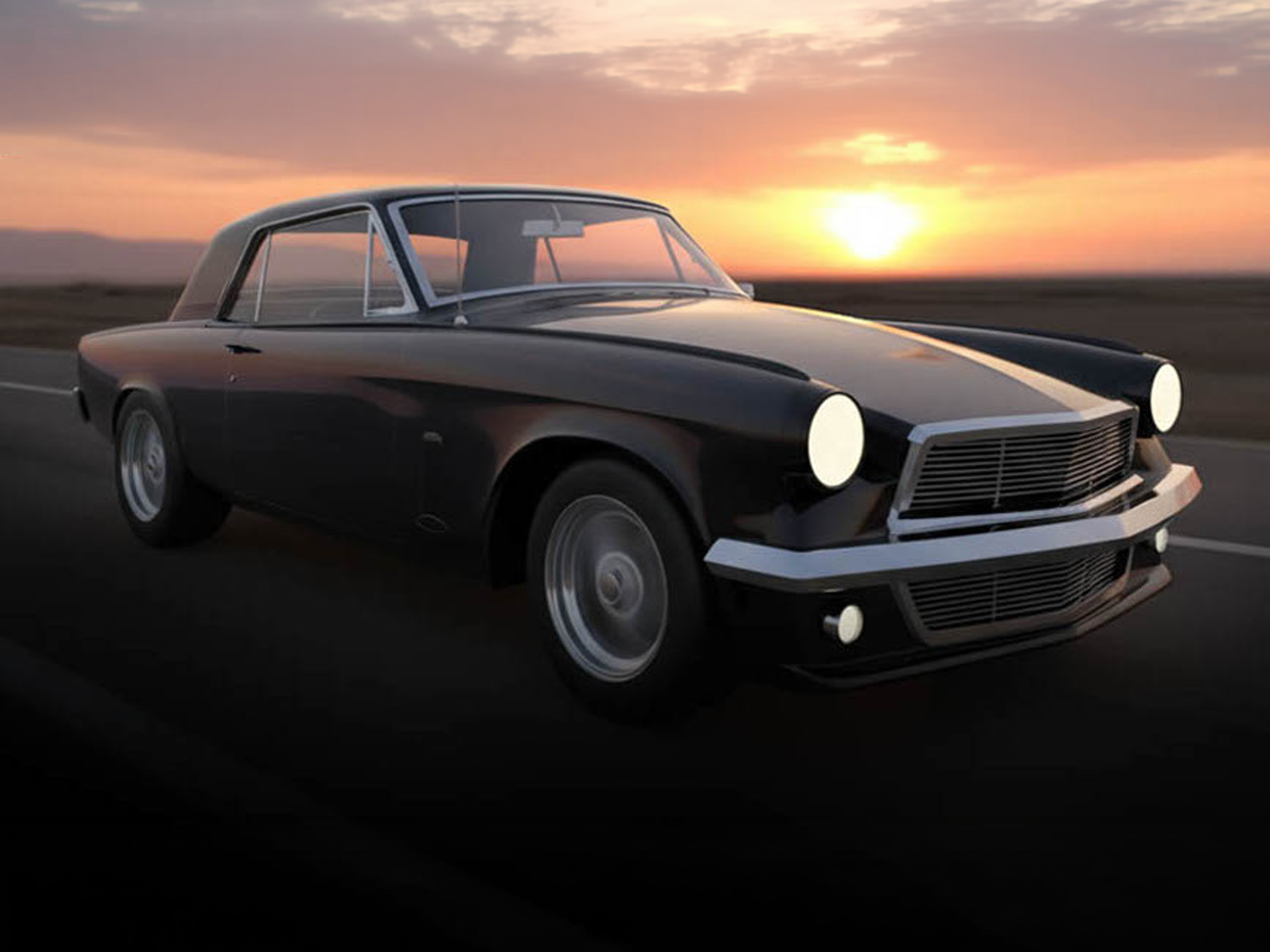
Studebaker has been gone from the showroom for six decades, but a design that never made it out of the studio is about to become real metal. A California enthusiast and the Brooks Stevens design firm are working together on a limited run of the 1965 GT Hawk, using sketches from one of the most prolific industrial designers of the 20th century. The project has taken a long road to get here, and the back story explains why the car matters.
Why Studebaker was running out of road
Studebaker ended U.S. production of passenger cars and light trucks in 1964. The automotive division had been losing ground for most of the previous decade, and the list of problems reads like a case study in how not to survive. Labor costs were high and the factories were old and inefficient. Developing a modern high-compression overhead-valve V-8 in-house was expensive. The Big Three were fighting hard in every segment, quality control slipped, the platforms were aging, and the merger with Packard had been a financial disaster. Put together, those pressures made the company's exit from car making close to inevitable.
The South Bend management team tried to hold things together. The compact Lark gave the company a brief lift, but Ford, Chevrolet, Pontiac and Mopar quickly answered with their own compacts, and the Lark's advantage didn't last. The fiberglass-bodied Avanti, styled in Raymond Loewy's studio, was meant to take on the Corvette. Andy Granatelli tuned it to set production-car land-speed records, and it earned plenty of attention but few sales. Here's the thing about that period: Studebaker was throwing ideas at the wall because it had no other option, and some of those ideas were very good.
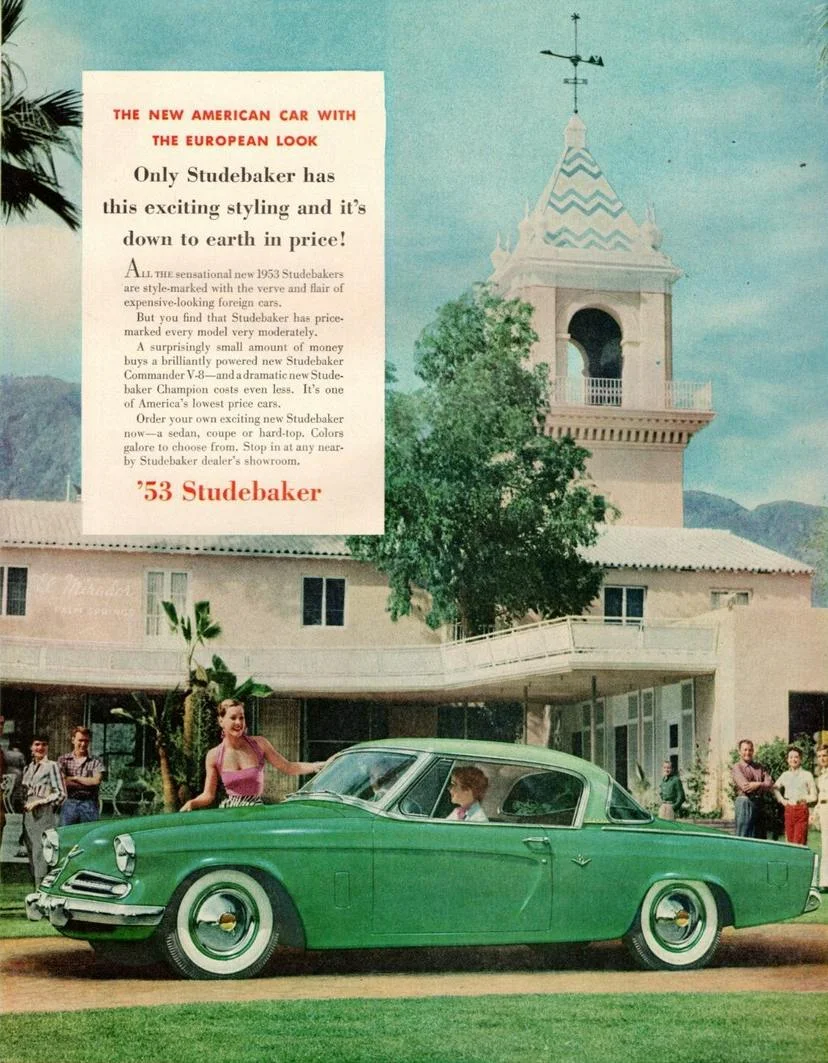
The Loewy studio had produced an earlier high point with the 1953 Starliner coupe, penned by designer Bob Bourke. Many enthusiasts still regard it as one of the most beautiful cars ever built. For 1956, Bourke reworked the Starliner's shell into the Hawk, the flagship luxury coupe. The first Hawks look right for their time. The post-merger "Packardbaker" versions are a different story, and plenty of people consider them among the least attractive production cars of the era.
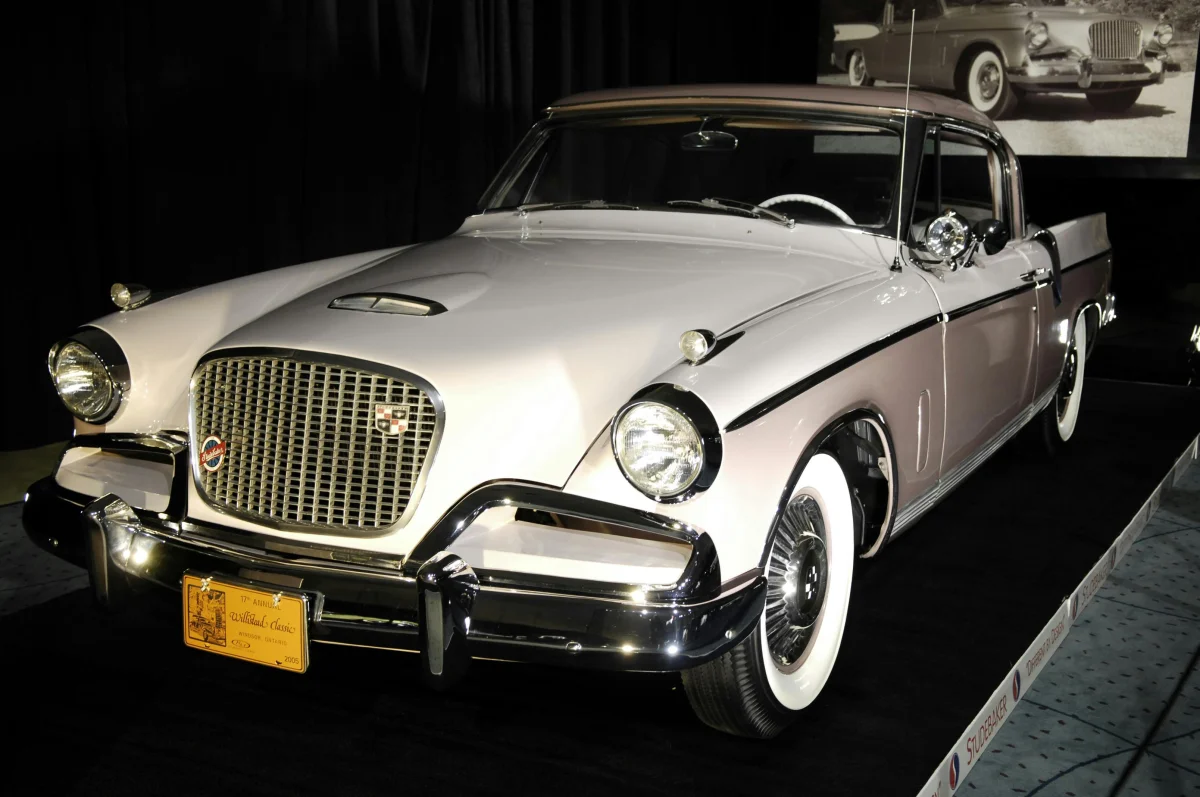
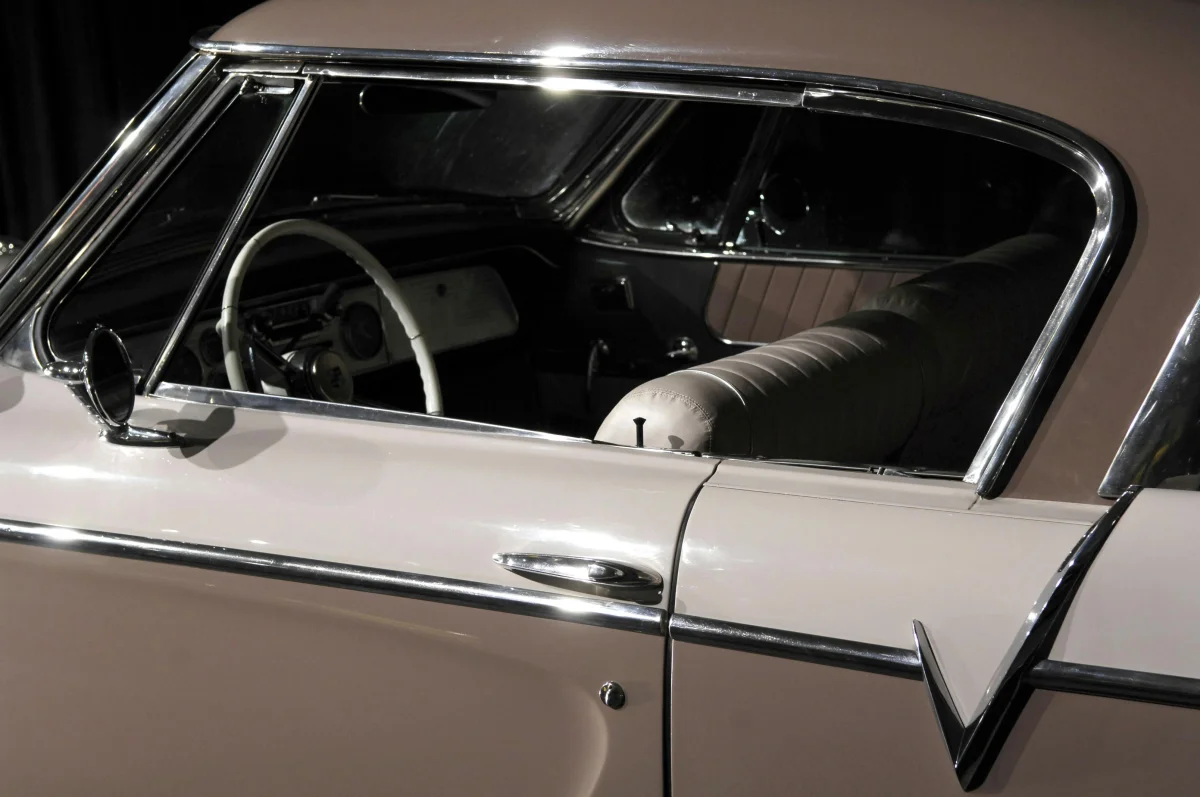
Bourke has been blunt about what went wrong. "I kept it restrained as possible, and after I left Studebaker, it really got out of hand with the wild fins, Mylar overlays, yards of chrome, and complete lack of restraint."
Brooks Stevens cleans up the Hawk
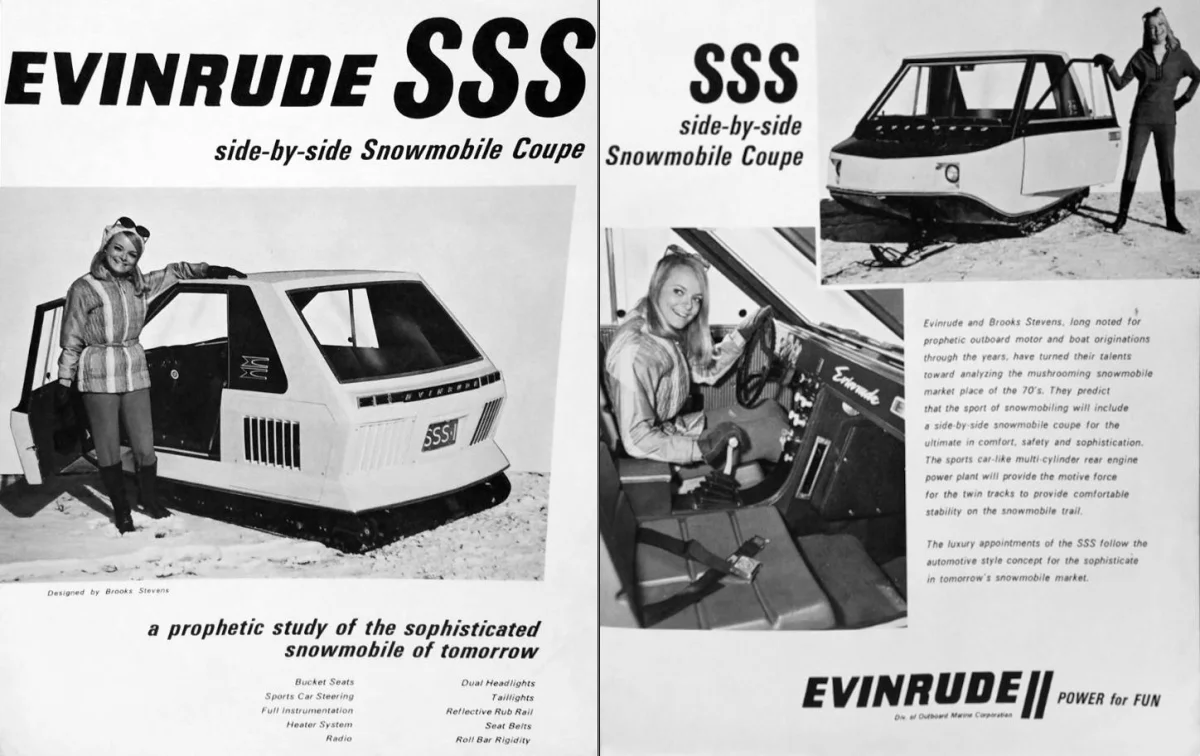
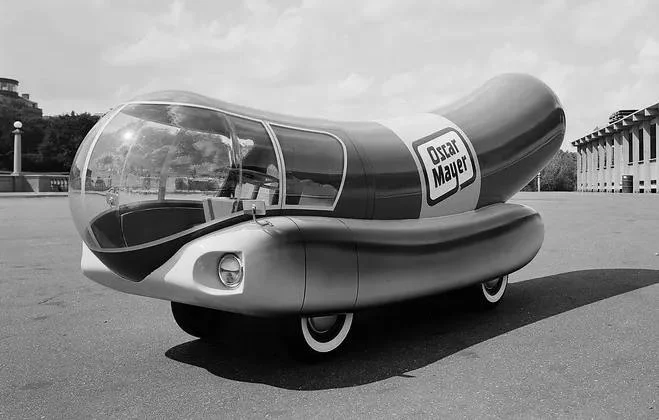
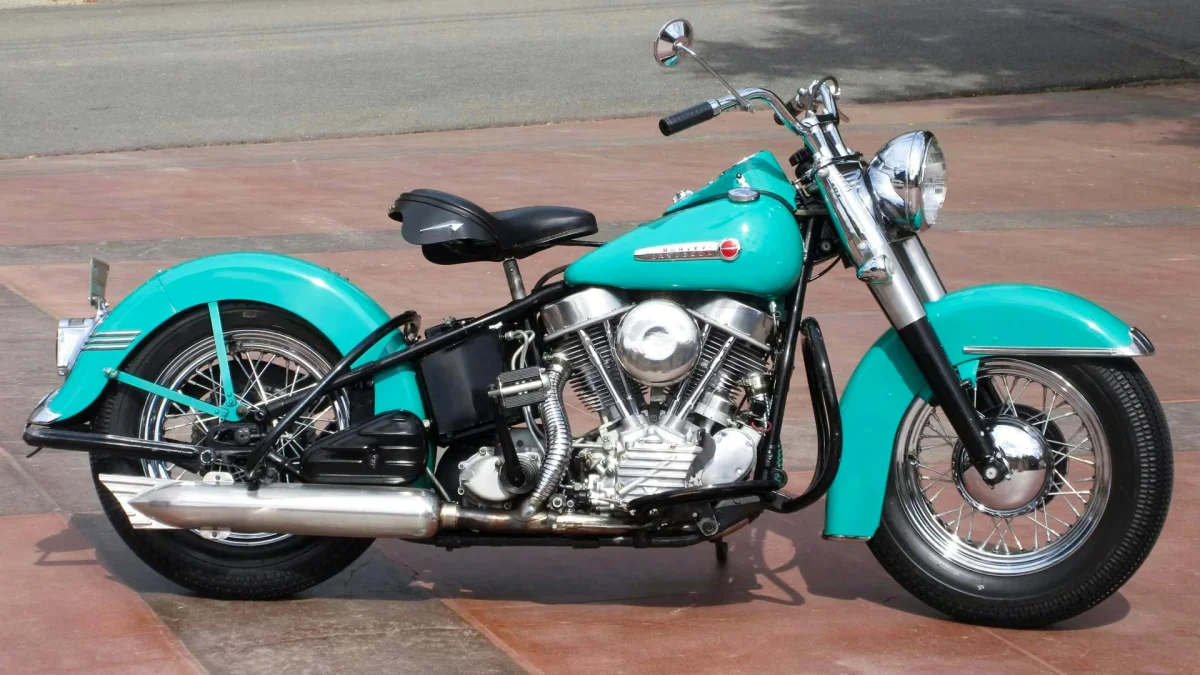
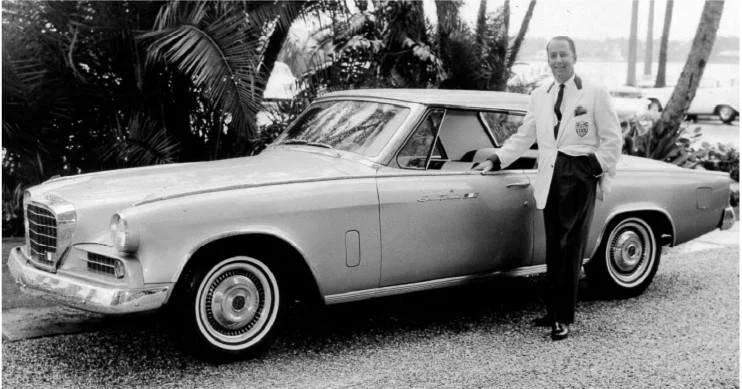
By the early 1960s, Detroit's design language was moving on, and Studebaker hired independent stylist Brooks Stevens to update the Hawk for 1962. Stevens (1911–95) ran a studio that handled more than 3,000 commissions across vehicles, appliances, packaging, graphics and logos. He had already styled the 1949 Harley-Davidson Hydra-Glide, which shaped motorcycle design for decades, and the 1948 Willys Jeepster. His other work included Lawn-Boy, Briggs & Stratton and Evinrude/Johnson outboards and boats. He is also credited with one of the first motorhomes and a side-by-side snowmobile "coupe" concept for Evinrude, and his studio created the Miller High Life logo and the 1958 Oscar Mayer Wienermobile.

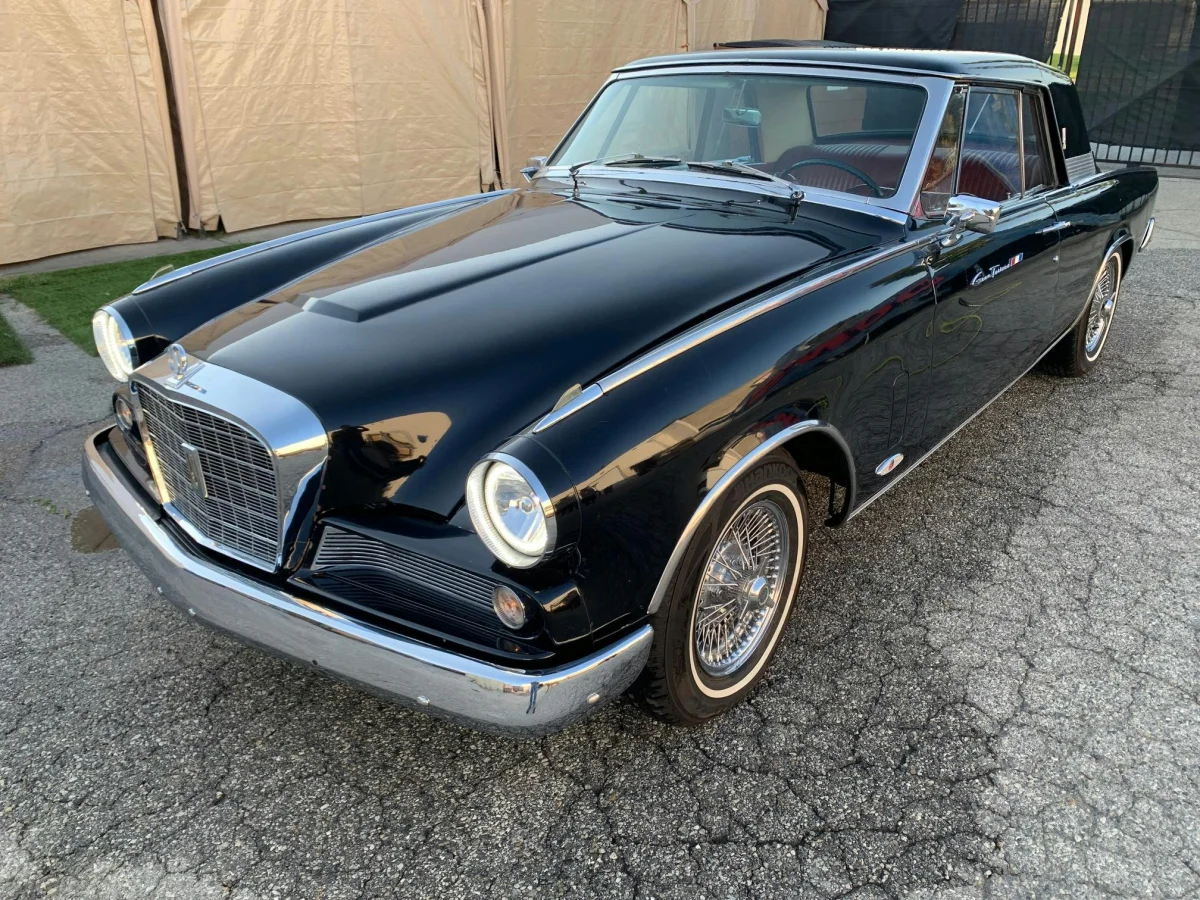
For Studebaker, Stevens did the job that the earlier Hawks needed. He stripped off the fins and the garish trim, bladed the fenders, and reduced the 1950s side cove to a single character line. He added a squared-off, faux-targa roofline with a more formal profile. The car didn't look dated next to a 1961 Lincoln Continental, which is a real achievement when the body shell dated back to the early 1950s. Bourke approved. "It was not until 1962, when Brooks Stevens began to clean the basic body buck up again with his GT Hawks, that the car started to look right again," he said, adding that he considered the 1964 car the best-looking Hawk after 1956.
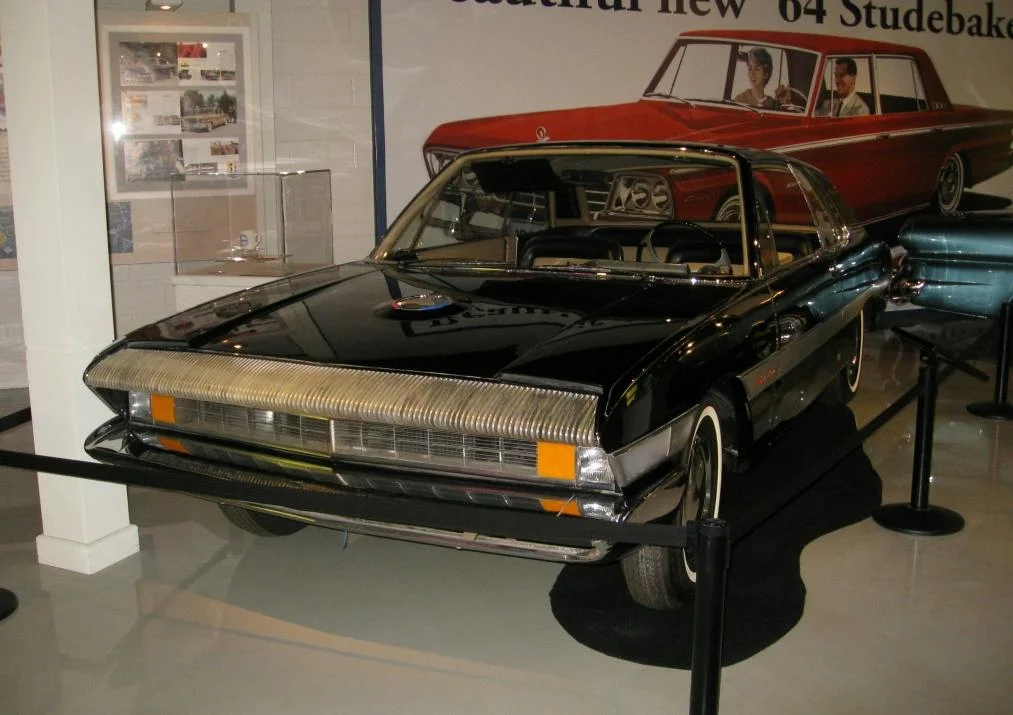
Studebaker kept generating concepts even as its car business was failing. The Studebaker National Museum in South Bend still displays Stevens' full-size Sceptre prototype, a grand-touring coupe meant to replace the Hawk for 1966, alongside notchback and four-door Avanti proposals from the Loewy studio.
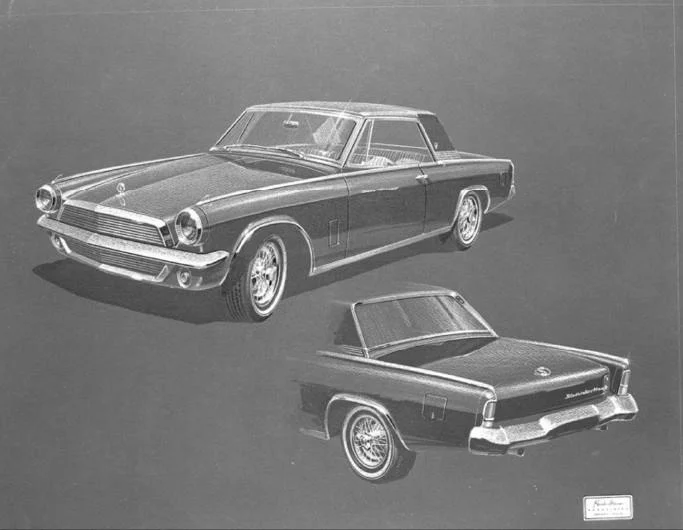
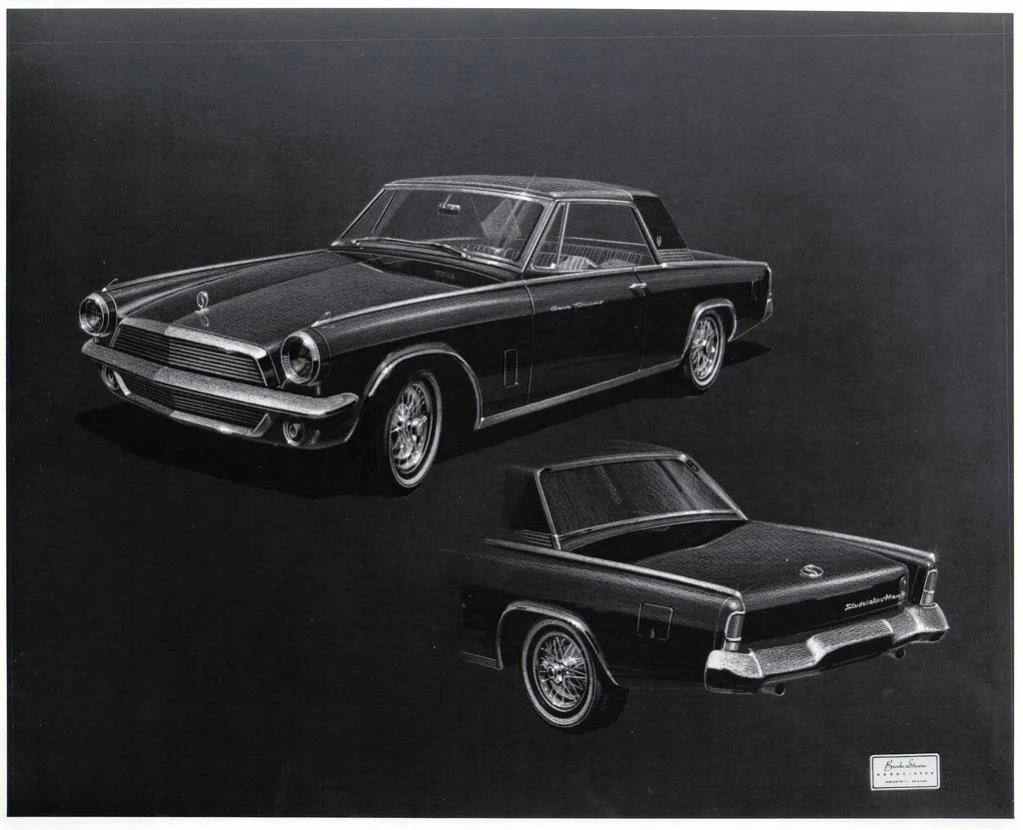
The Sceptre and the Loewy concepts get most of the attention from enthusiasts. Far fewer people know that Stevens also drew an updated GT Hawk for 1965. That version stripped out the last 1950s holdovers, reworked the grille and front end, and reshaped the decklid for a more contemporary look. Studebaker stopped U.S. production in 1964, and the company kept building cars in Canada and from complete knock-down kits in Israel and South America until 1966. The 1965 GT Hawk never made it past the drawing board.
The Lace connection
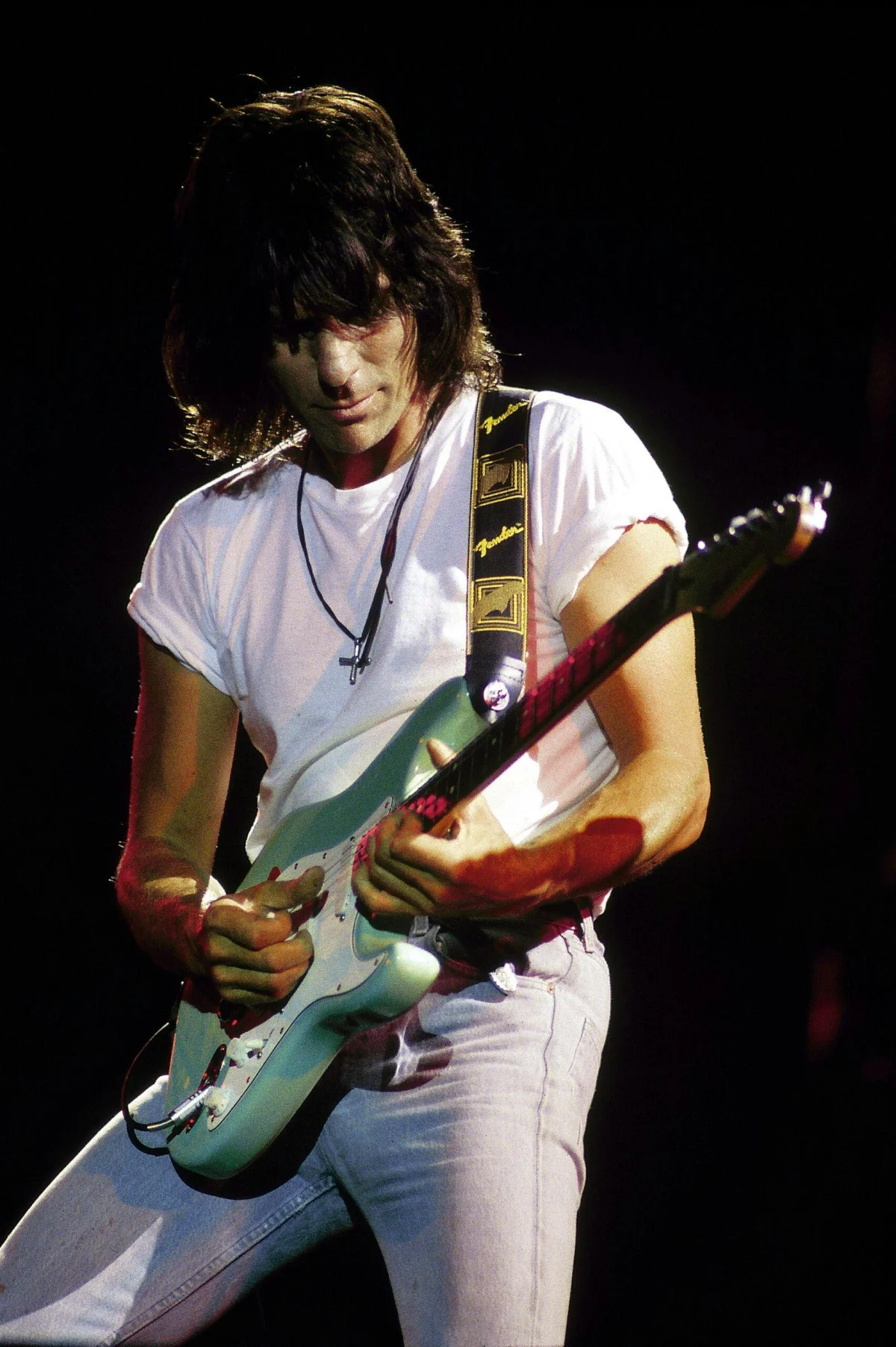
The revival comes from Don Lace Jr. and his brother Jeff, who run Lace Music Products. You may not know the name unless you play guitar, but you've likely heard their work. The company builds guitar pickups in Southern California. Their father, Don Lace Sr., started out with Actodyne General, a maker of solenoids, which depend on coils of copper wire. He worked with Don Randall, the former president and general manager of Fender Musical Instruments who later founded the Randall amplifier company, on forming and winding loudspeaker coils. That relationship led to the Lace Sensor pickup, which Eric Clapton, Jeff Beck, Buddy Guy, Pete Townshend, James Burton, Billy Corgan, Ritchie Blackmore and Jack White have all played. In the 21st century, the company introduced its Alumitone line, which offers a wider, flatter frequency response and uses 90% less copper in its coils.
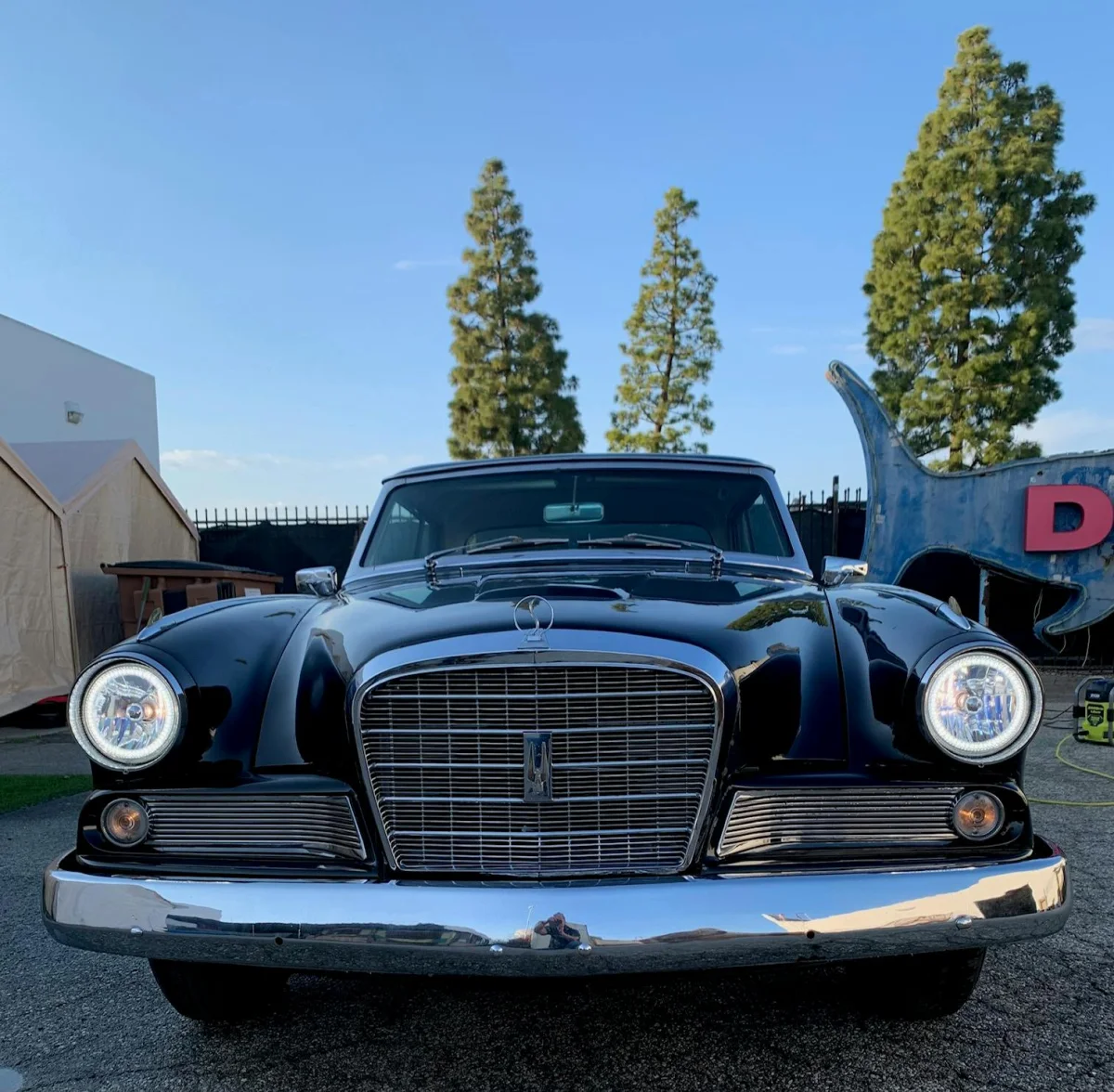
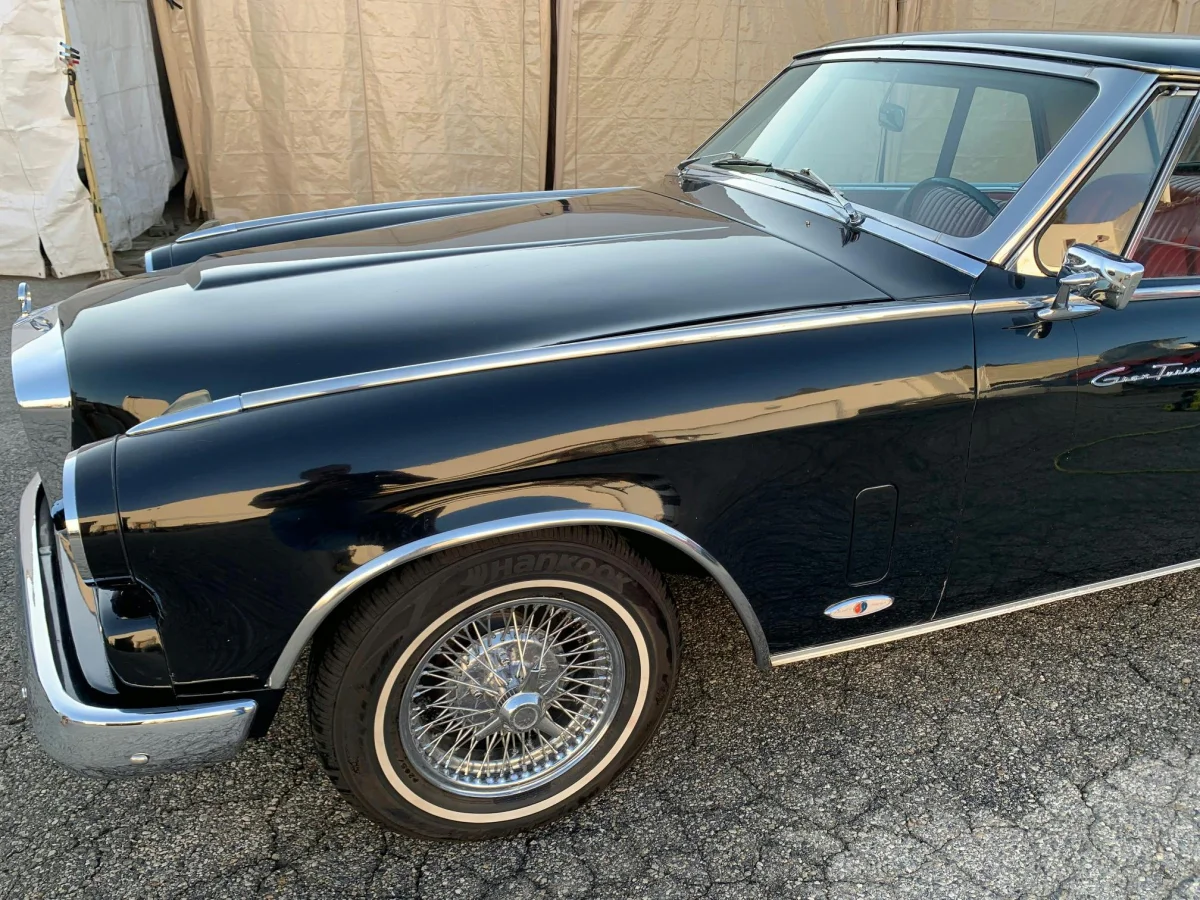
The family's car interests run just as deep. Don Sr. owned a supercharged 1937 Cord, and Jeff is currently restomodding a '48 Packard that sits in a tent outside the company's Orange County factory while he waits to graft in hidden headlights from a '42 DeSoto. Don Jr. likes Cords too, and he once owned one of Glenn Pray's continuation cars, but his real passion is Studebaker, and the Hawk in particular. "I've had a Hawk in my life for 50 years," he says. He has owned five GT Hawks, including a high-performance R1 model. The one he uses as a reference is a two-owner California car that now runs a hot-rodded 283-cubic-inch Chevy small-block.
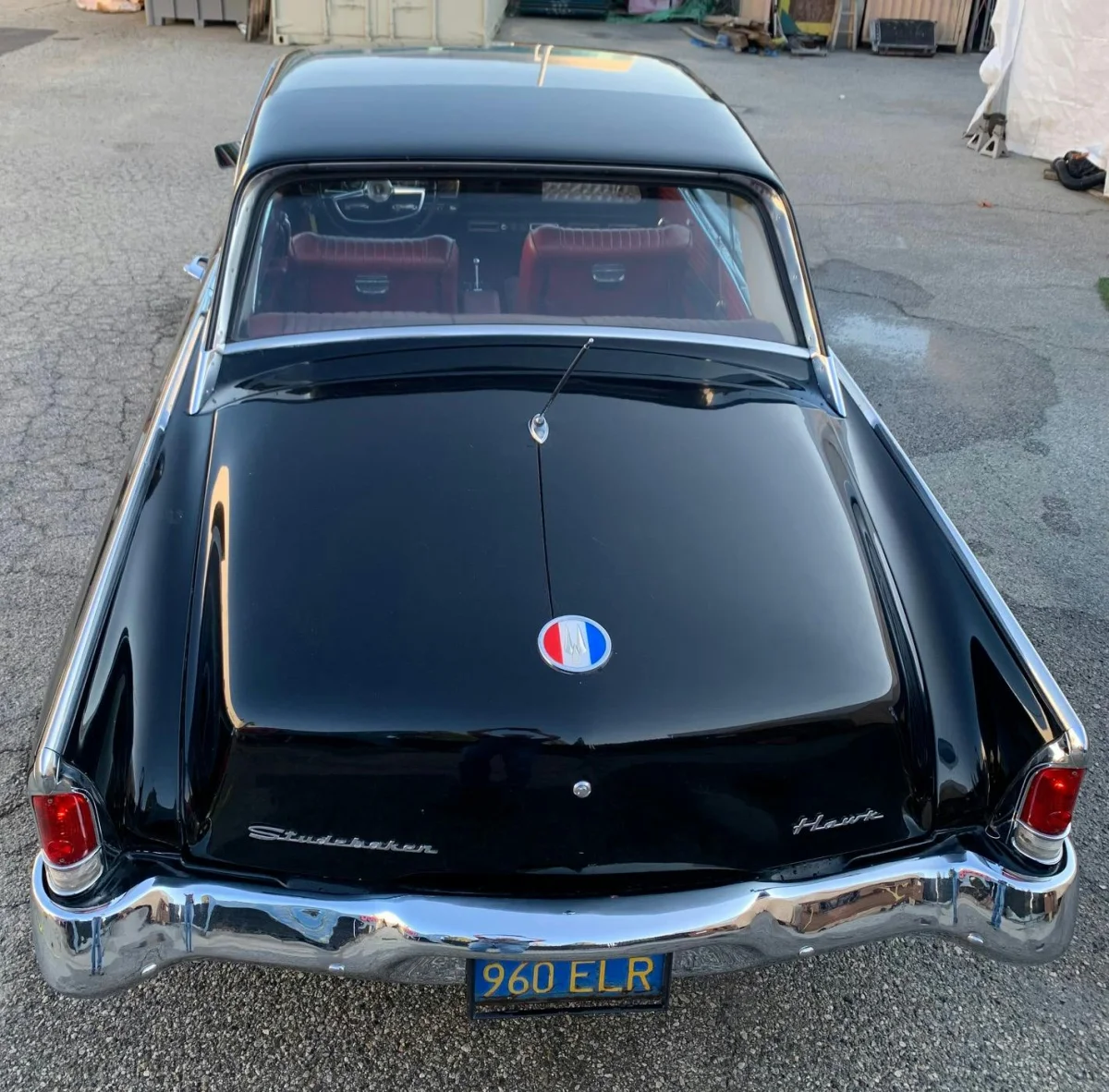
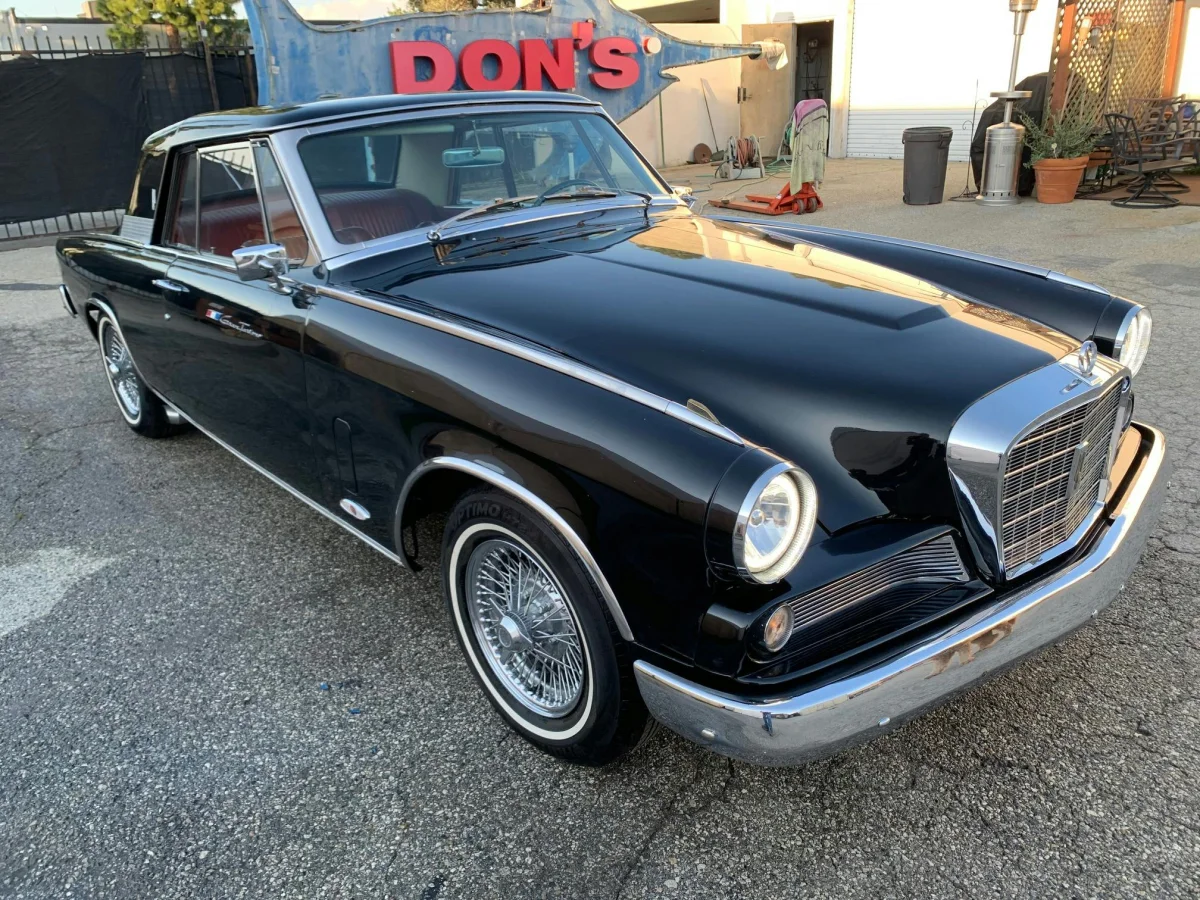
Lace had come across Stevens' 1965 sketches at some point. In the early 1990s, he wrote to the designer, who was then in his 80s, and said he wanted to build the car. A week later, Stevens phoned him, and the two men developed a friendly rapport. Stevens died in 1995, though, and the project stalled.
The Stevens firm passed through several hands after its founder retired. His son Kipp ran the Milwaukee operation until Ingenium Product Development bought it in 2007, and Ingenium put more emphasis on engineering. In 2020, Mark McAllister and current president Michael Hopkins acquired Brooks Stevens Design. The new leadership says it wants to look forward while respecting the studio's history, with design expertise at the center.
How the revival came together
The project was revived about five or six years ago, almost by accident. Lace's phone rang at Lace Music with "Brooks Stevens" on the caller ID. One of the studio's carbon-fiber fabricators was building a guitar and wanted pickup information. That call sent Lace digging through his old letters from Stevens, and he decided to pitch the firm's owners on commissioning the '65 GT Hawk, using his own R1 as the basis. The company had recently changed hands, and the new management saw the project as a good match for its renewed focus on vision and creativity.
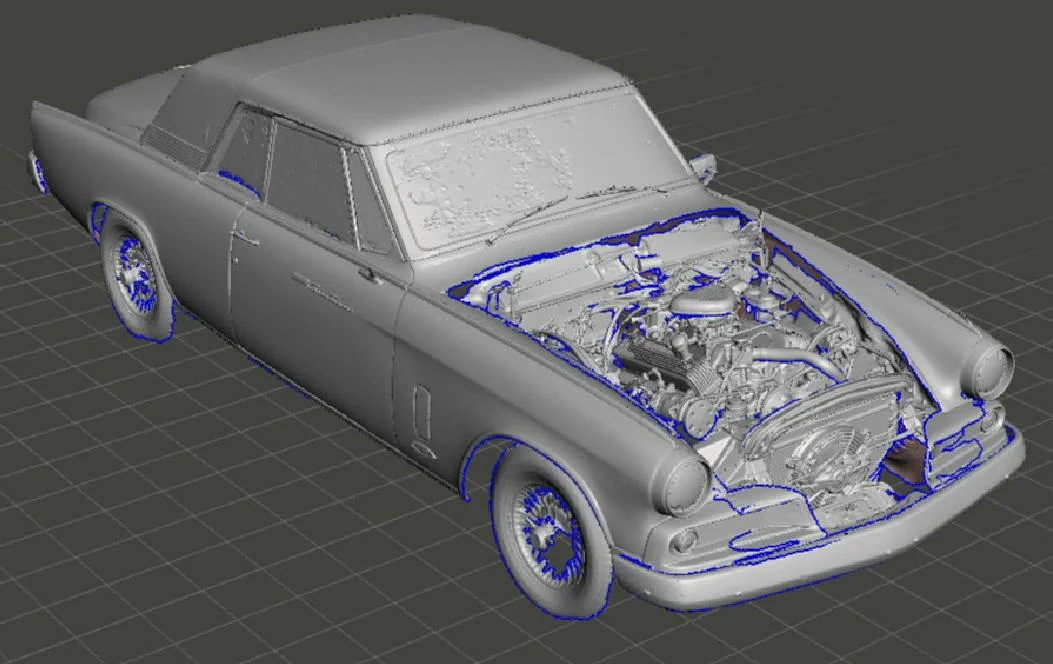
Lace shipped his R1 to Milwaukee, where the car was 3D scanned. The studio then digitally rendered Stevens' revised body panels, combined them with the scan data, and produced a shoebox-sized 3D-printed model for Lace to review. He approved it, and work began.
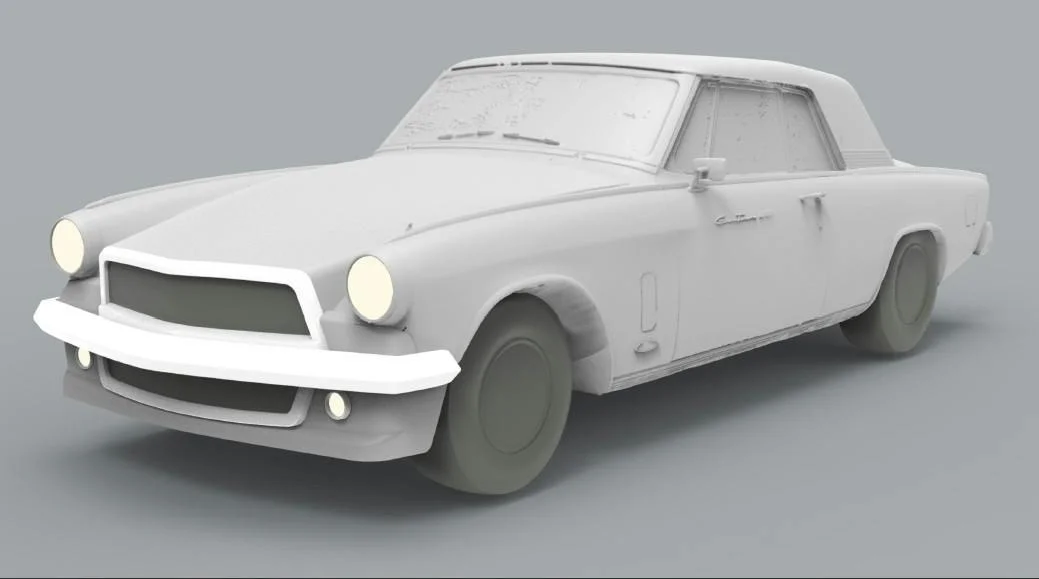
Ryan Hahn, the studio's design director and former head of styling at Buell Motorcycles, says the team went back to Stevens' original journal. It laid out the business case for a revised '65 GT Hawk, including Studebaker's thin finances and the shift in buyer tastes. The journal also explored variations, including a convertible and a version with a removable targa top.
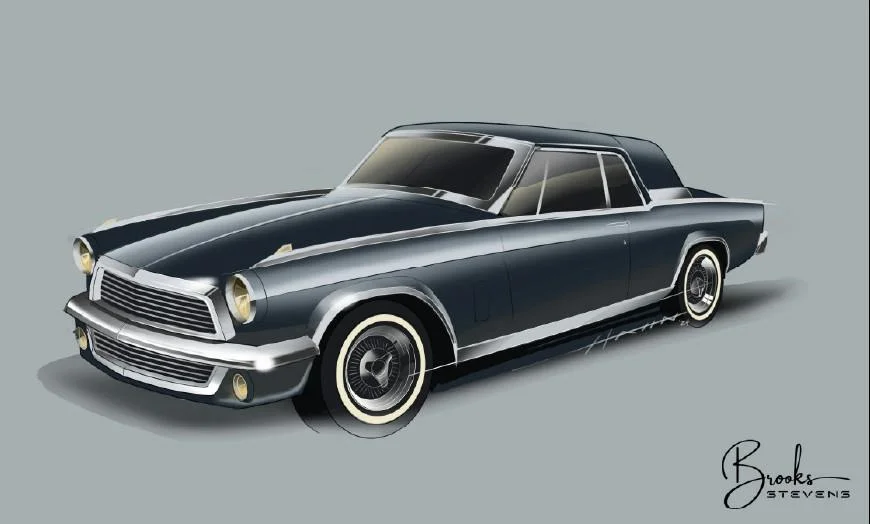
Build plan, specs and open questions
Hahn says the first build could start this year. The team originally planned to take commissions for six cars, but the project's website now mentions a dozen, which suggests demand is there. A targa version and a period-authentic race car are both under discussion.
The build will use existing GT Hawks as donor cars, with Lace's R1 serving as the prototype. Each car keeps its original Studebaker VIN, which the team says keeps the cars within EPA, DOT and Federal Motor Vehicle Safety Standards requirements. Limited-run tooling will be needed for the new hood, fascia, decklid and grille. The studio plans to do some work in-house with its CNC and rapid prototyping equipment, but since its core strengths are design and engineering, it will rely on trusted suppliers for the new components.
In practice, the finished cars will resemble a high-end restomod or elite custom. They'll have an upgraded, reinforced reproduction chassis, a powerful GM LS-family V-8, and Wilwood brakes. Hahn says the suspension will likely combine a Mustang II front end with a C4 Corvette rear. The interior will follow Stevens' original design, including a padded cowl around the instrument panel, with modern infotainment and comfort features added. Because each car is a commission, buyers can order bespoke options. Pricing hasn't been set.
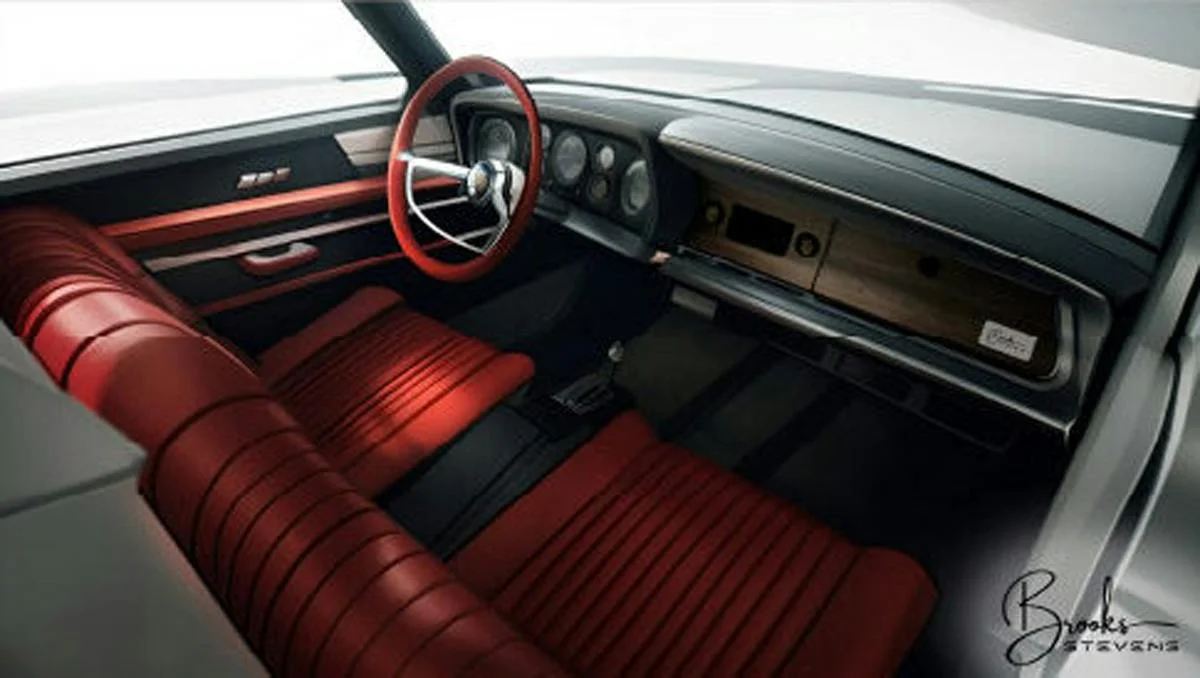
The name is still open. The Studebaker trademark is considered abandoned, and some logo rights are held by the Studebaker museum and the owners' club. Hahn says no trademark has been filed yet, but the project's domain is 65Hawk.com, so that name is a strong candidate for the badge.
The appeal of a car that never existed is obvious to fans of defunct brands. What makes this project unusual is that the designer's own drawings and a handful of persistent enthusiasts are making it possible to build a car that otherwise would have stayed on paper. For anyone shopping the restomod market, the details to track are the final price, the first delivery, and whether the donor-car supply holds up once the dozen commissions are underway.